10 Common Signs Your Dog Is Getting Old
10 Common Signs Your Dog Is Getting Old
Age Isn't Just A Number
Are you starting to notice subtle changes in how your dog behaves? While it would be lovely to stay young and spry forever, the reality is that everyone and everything succumbs to father time eventually—even dogs. As they age, you’ll start noticing shifts in their routine that signal they’re slowing down, So make sure that you're able to recognize these ten changes quickly to provide the best care for your aging friend.
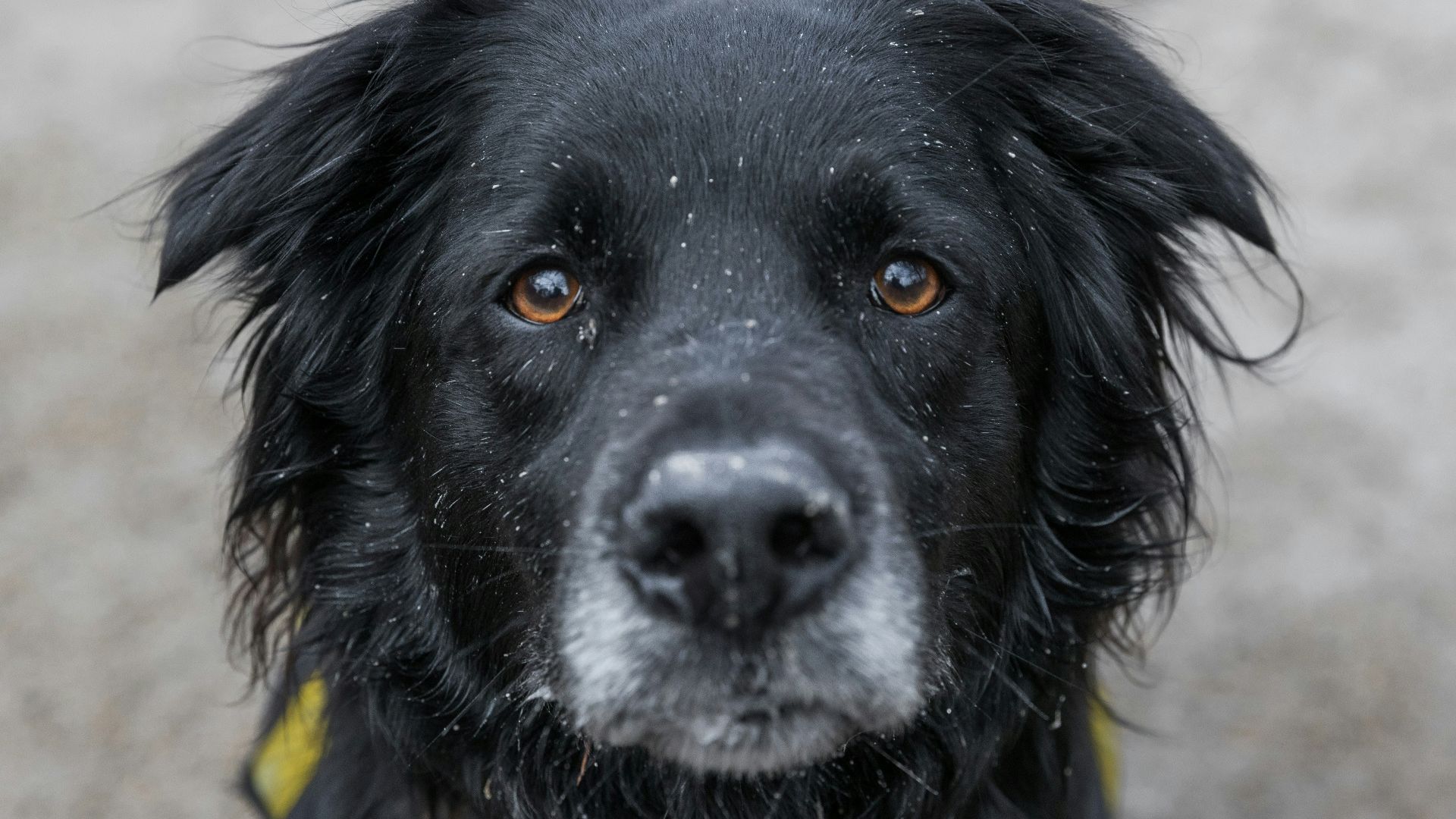
1. Reduced Interest in Playing
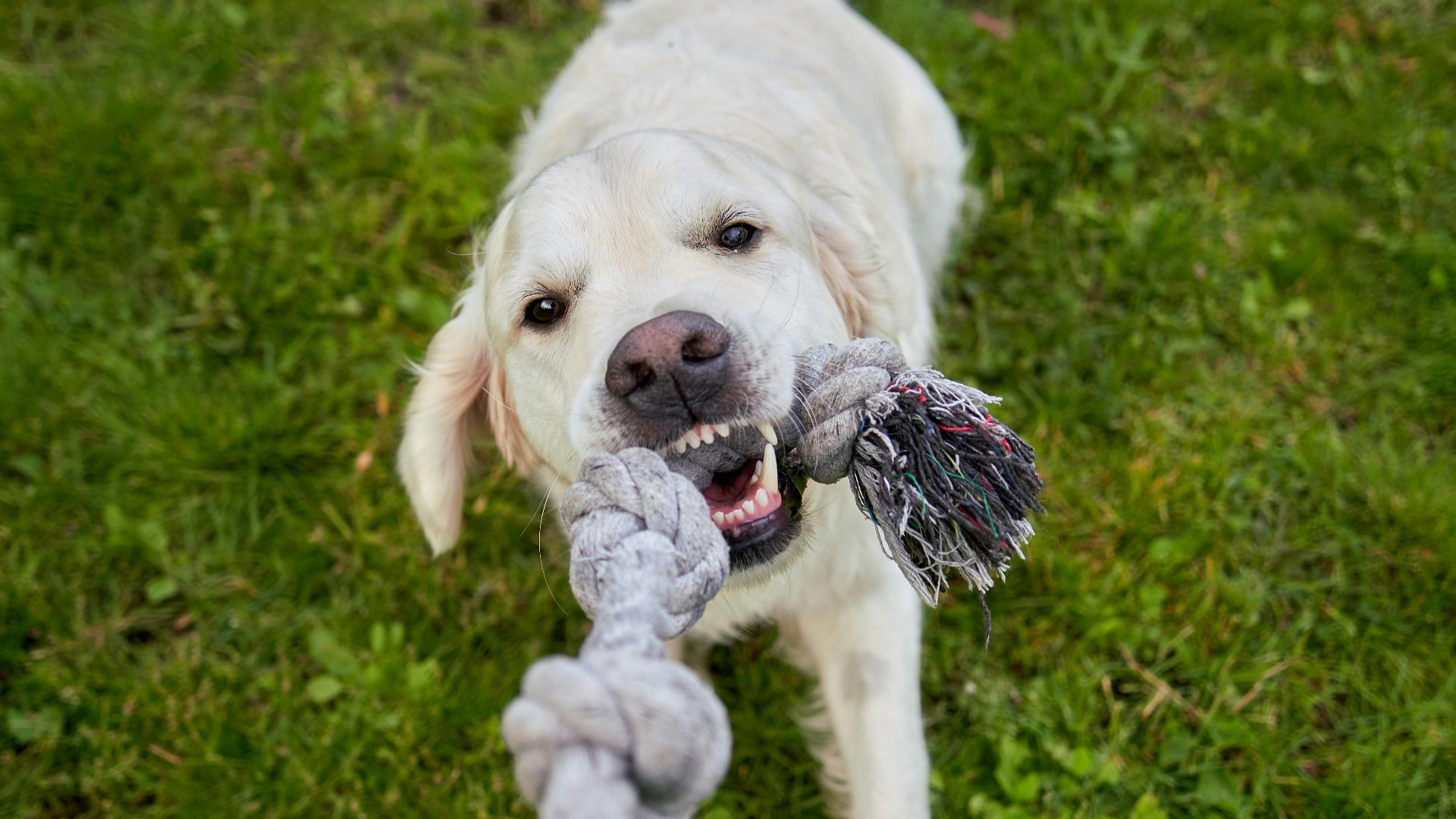
Instead of chasing that ball around endlessly, your pup may start to slow down or even refuse to play altogether. This could be because of joint pain or arthritis. Therefore, watch for signs like limping before jumping. Those could be your dog’s way of saying, “I’m getting older!”
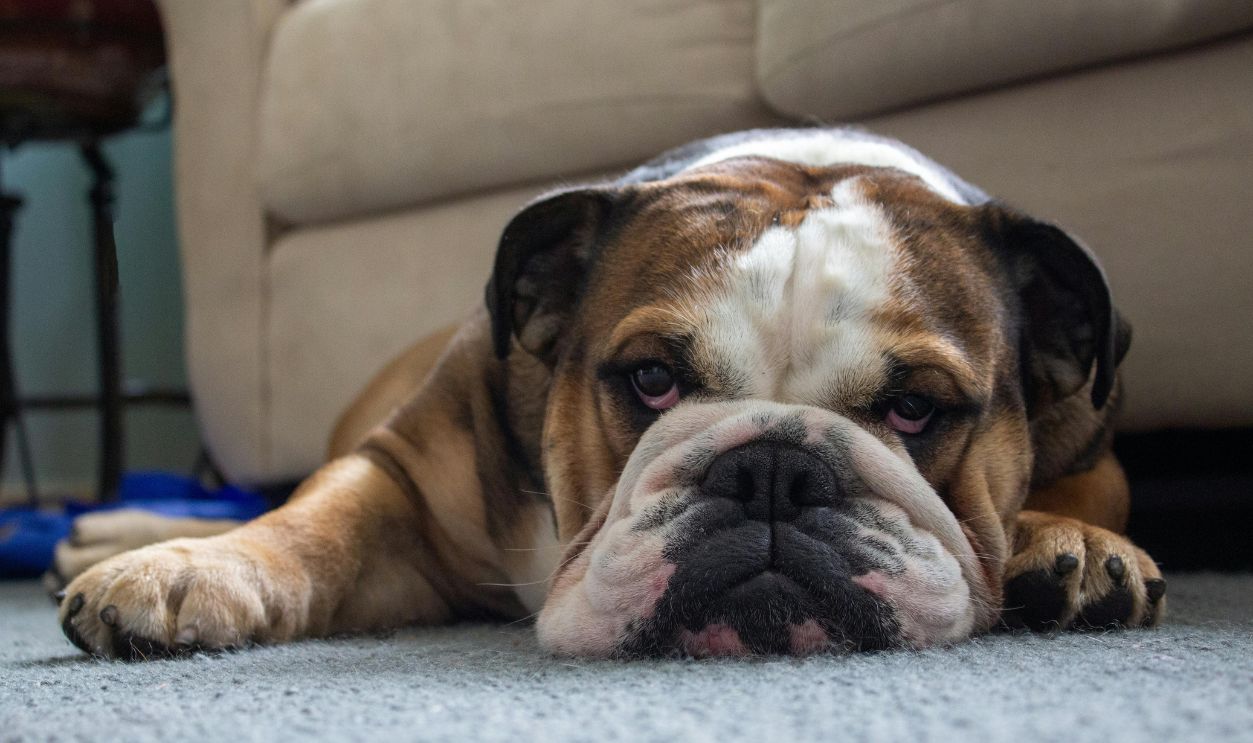
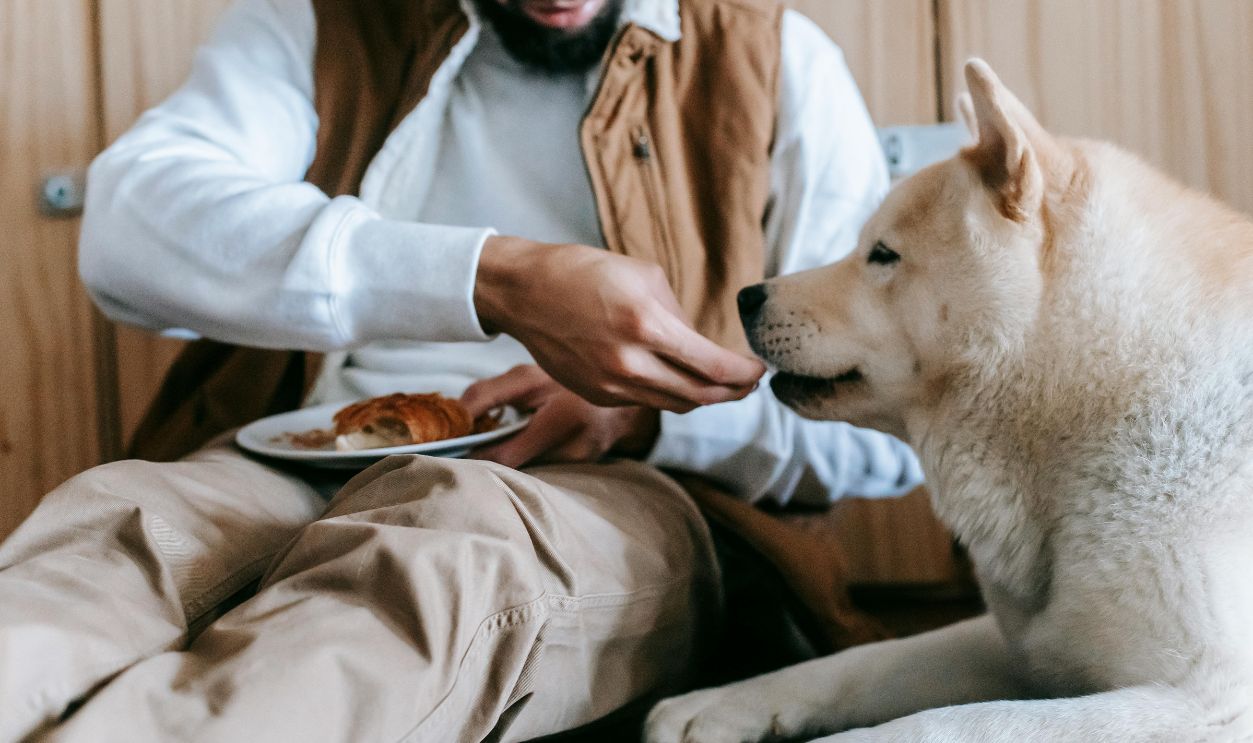
2. Changes in Eating Habits
Senior dogs often have less energy or might have dental issues that make chewing harder. Sometimes, a slower metabolism can also affect their appetite. If this happens often, it’s worth checking with the vet to ensure there isn’t a health issue.
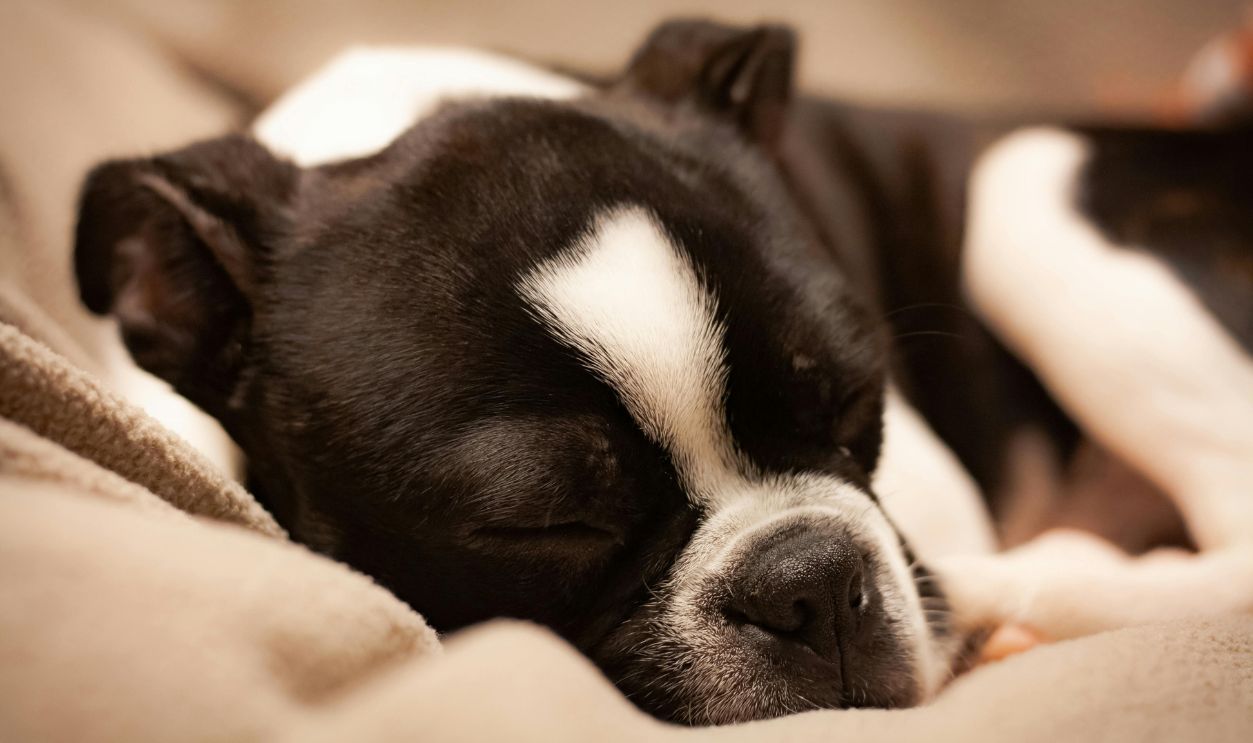
3. Longer Naps
Is your once-energetic dog now napping more than usual? That is an entirely regular transition habit for older dogs since they tire out more quickly. Extra rest helps them recharge, but if you notice they’re lethargic or sleeping excessively, it might be time to chat with the vet.
4. Incontinence Issues
Accidents in the house? Puddle of pee here and number two on the carpet? It’s not always normal for a trained pet unless they are aging. Senior dogs sometimes struggle with bladder control because of weakened muscles or health conditions like kidney problems.
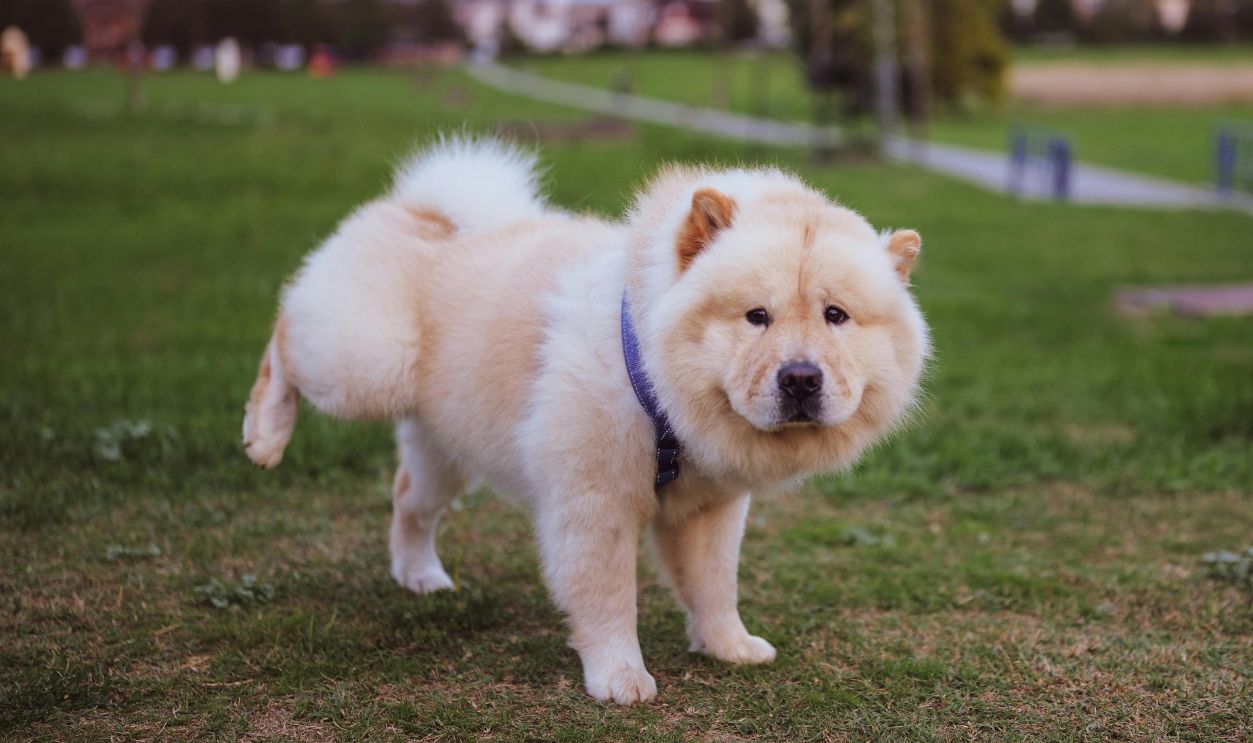
5. More Time Spent in Quiet
Older dogs often seek out quiet spots to rest more frequently than they used to. It’s similar to how grandparents prefer a peaceful space as they age. It’s not that they don’t love you; they simply need more peace and comfort in their later years. Just make sure the spot is cozy.
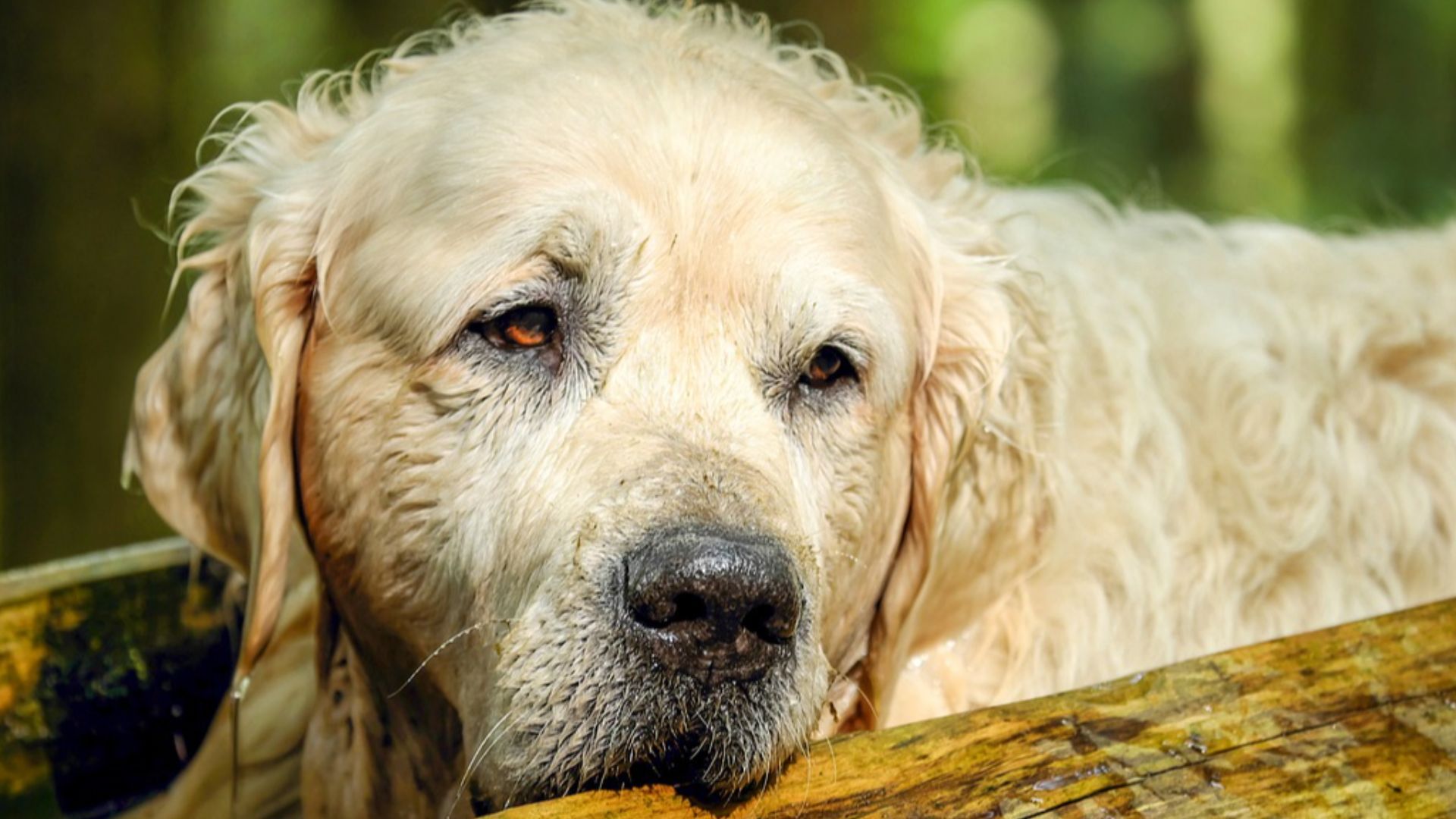
6. Graying Fur Around the Face
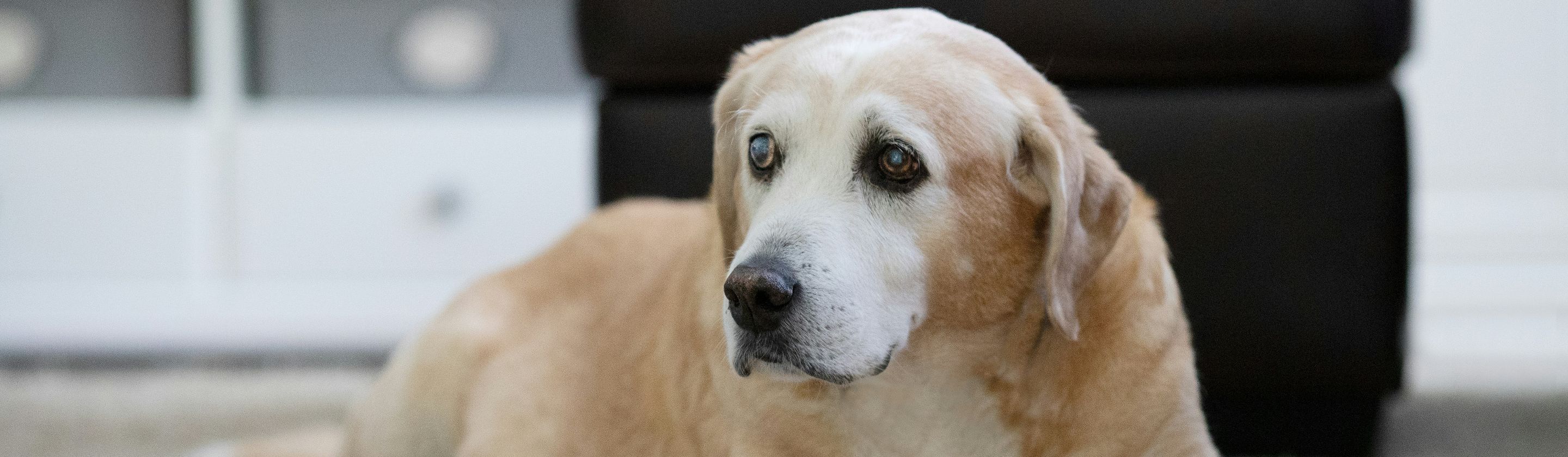
Is your pup starting to sport a dignified salt-and-pepper look? Aging dogs usually develop graying fur, especially around their muzzle and paws. While it’s a natural sign of aging, it’s also a sweet reminder of the years you’ve shared together.
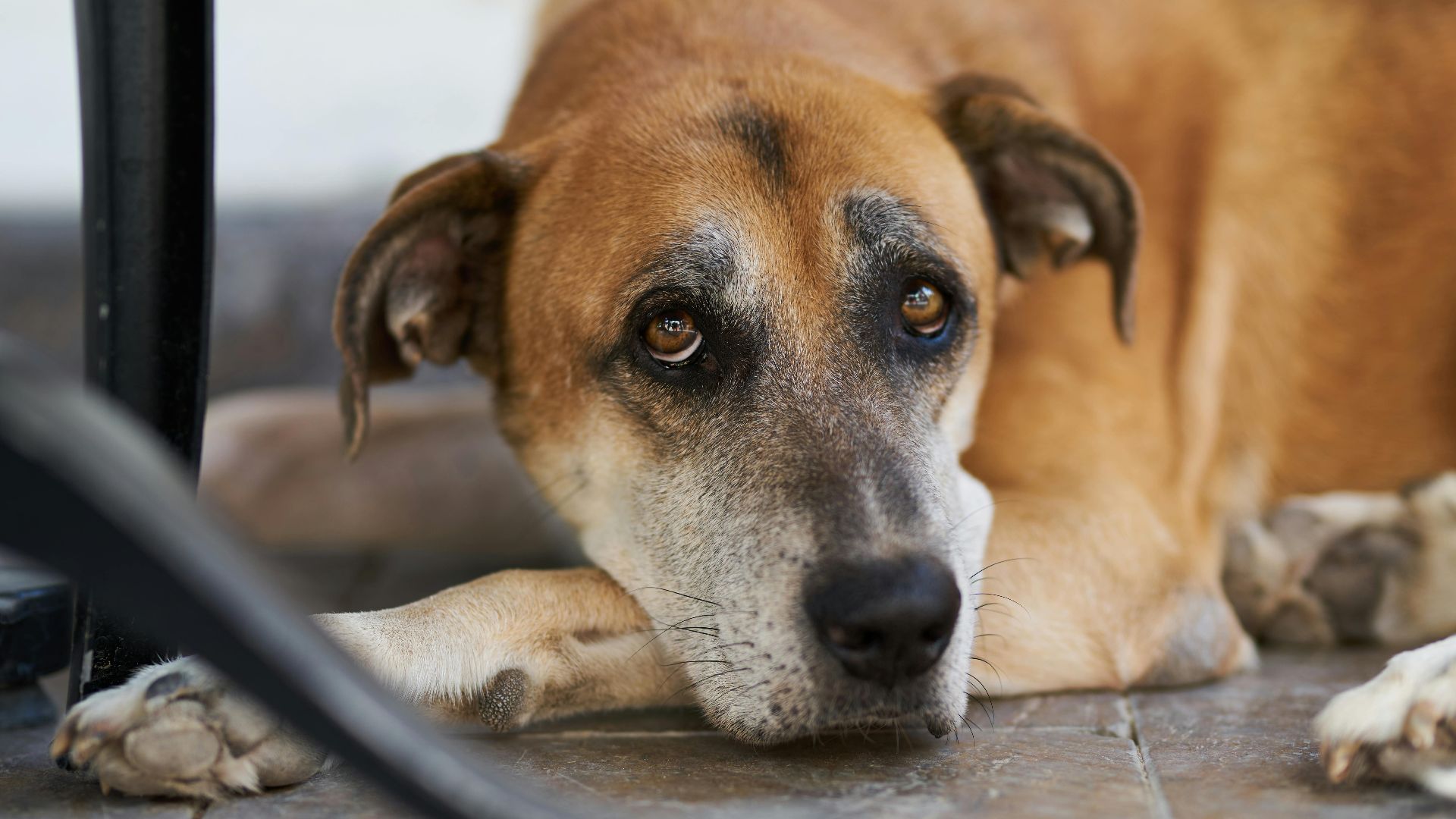
7. Signs of Gradual Hearing Loss
When your dog ignores their name or loud sounds, don’t jump to conclusions—it might actually be hearing loss. Older dogs commonly lose their hearing over time. Watch for signs like them startling when touched or not responding to everyday cues.
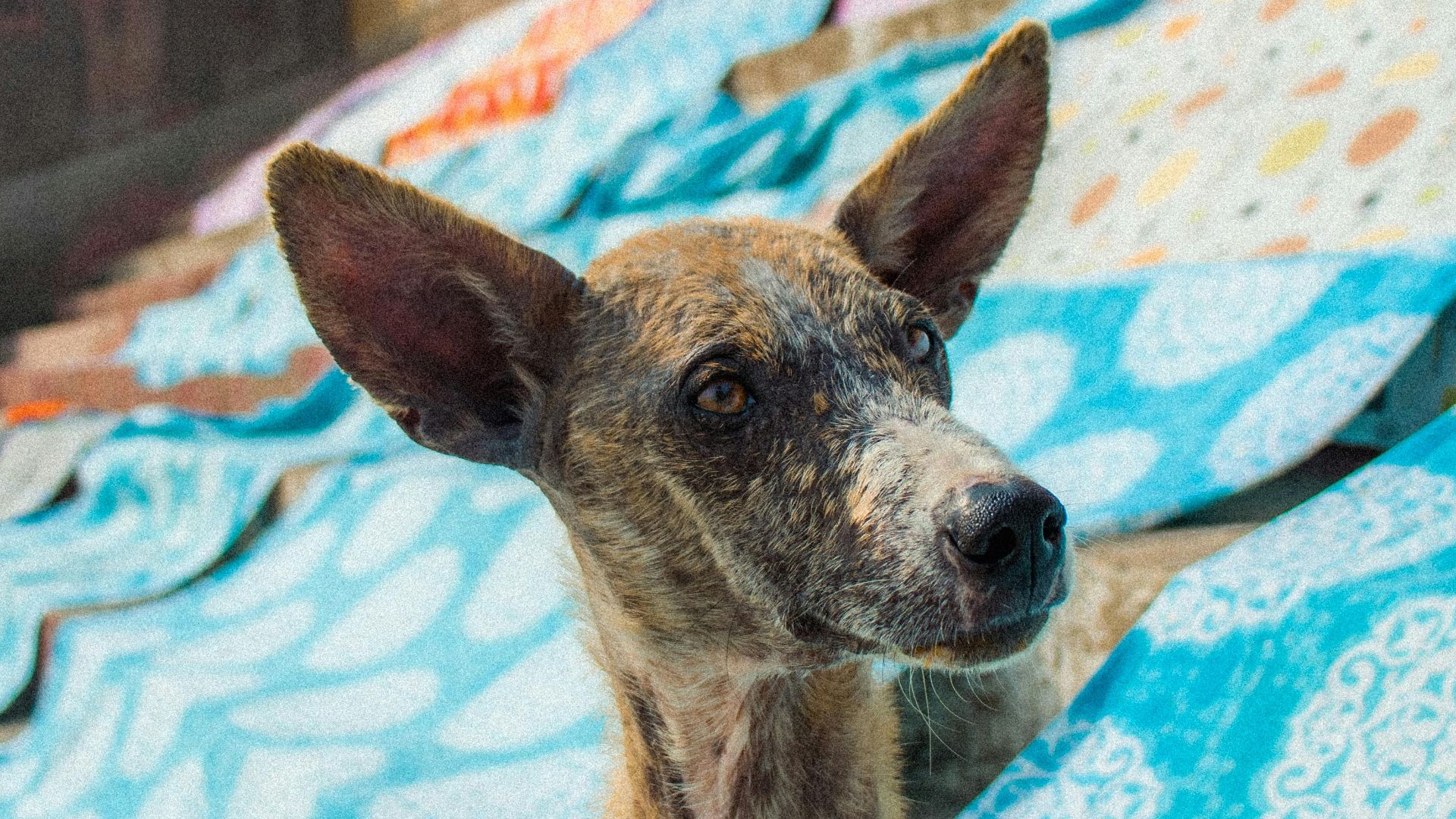
8. Vision Problems and Cloudy Eyes
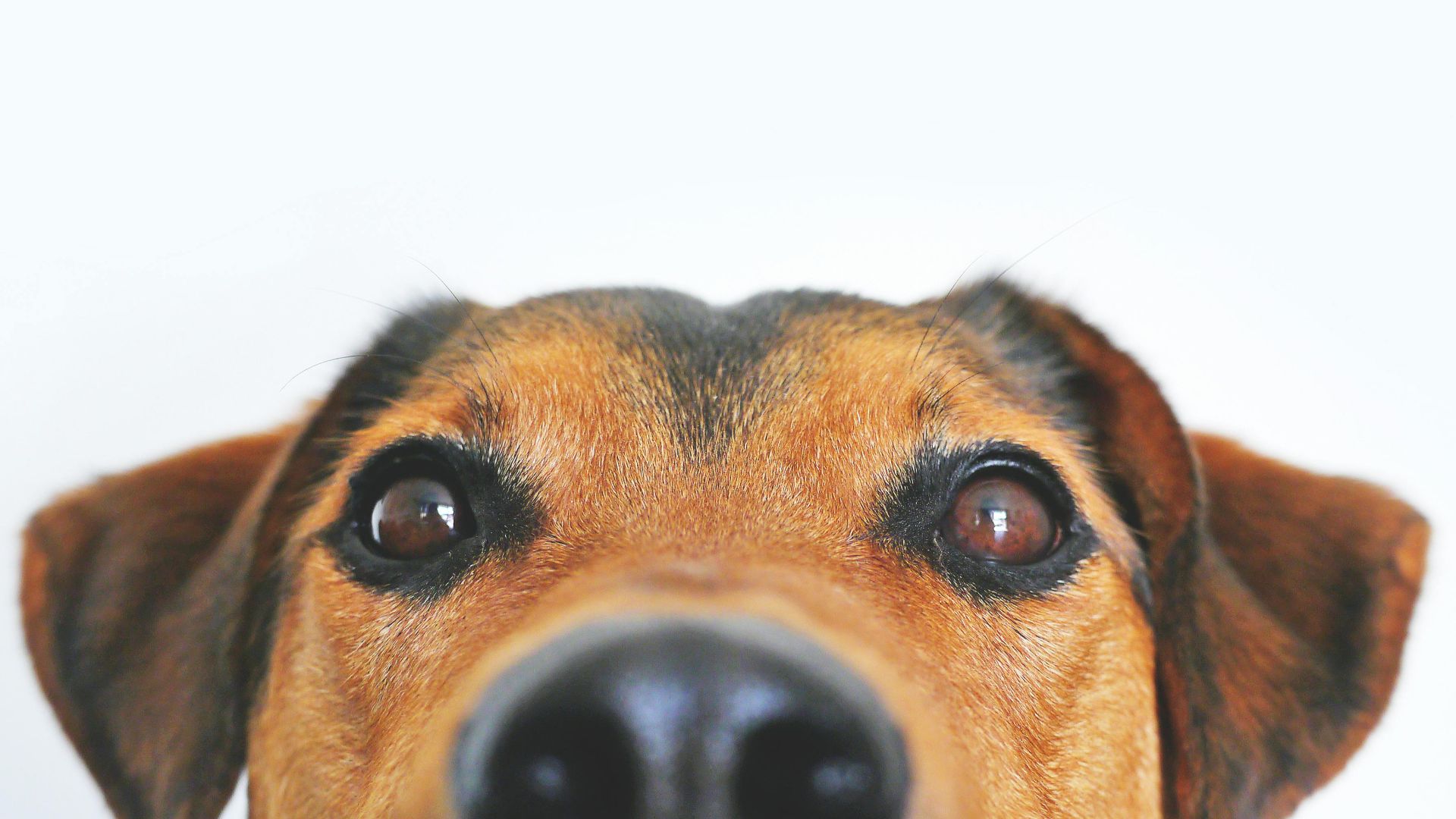
As dogs age, vision changes can cause them to hesitate in familiar places or bump into things they once navigated easily. You might also notice cloudy eyes or reluctance to explore new environments. To help them adjust, always keep their surroundings consistent and clutter-free.
9. Difficulty Moving or Getting Up
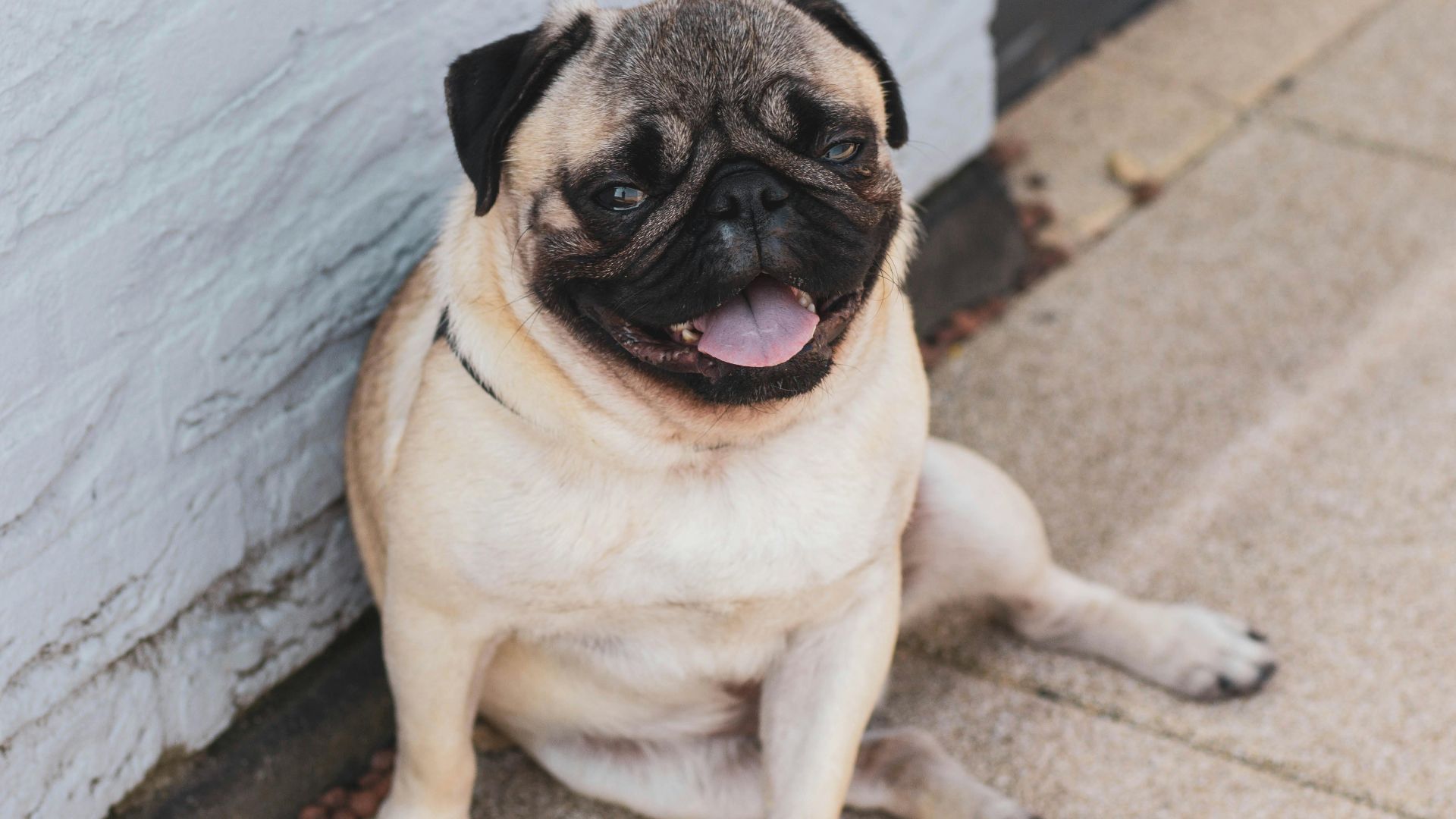
They might face mobility issues—a natural part of aging as joints lose flexibility. Morning stiffness or reluctance to climb stairs are key indicators. Consider providing joint supplements, a supportive bed, and shorter, gentler walks to keep them active and pain-free.
10. Behavioral Shifts in Older Dogs
Your pup can start acting differently over time. Maybe following you everywhere one day and hiding away the next. As dogs age, they sometimes become startled by things that never bothered them before or seem disoriented in familiar surroundings.