Slow And Steady Wins The Race
While the world around them moves quickly, these animals show that slowing down has its own advantages. In fact, for some, taking life at a slower pace is not just a preference, but rather a crucial part of their survival! From the well-known to the unexpected, these 10 laid-back creatures demonstrate that slow and steady will ultimately win the race.
 © Nicolas Völcker on Wikimedia
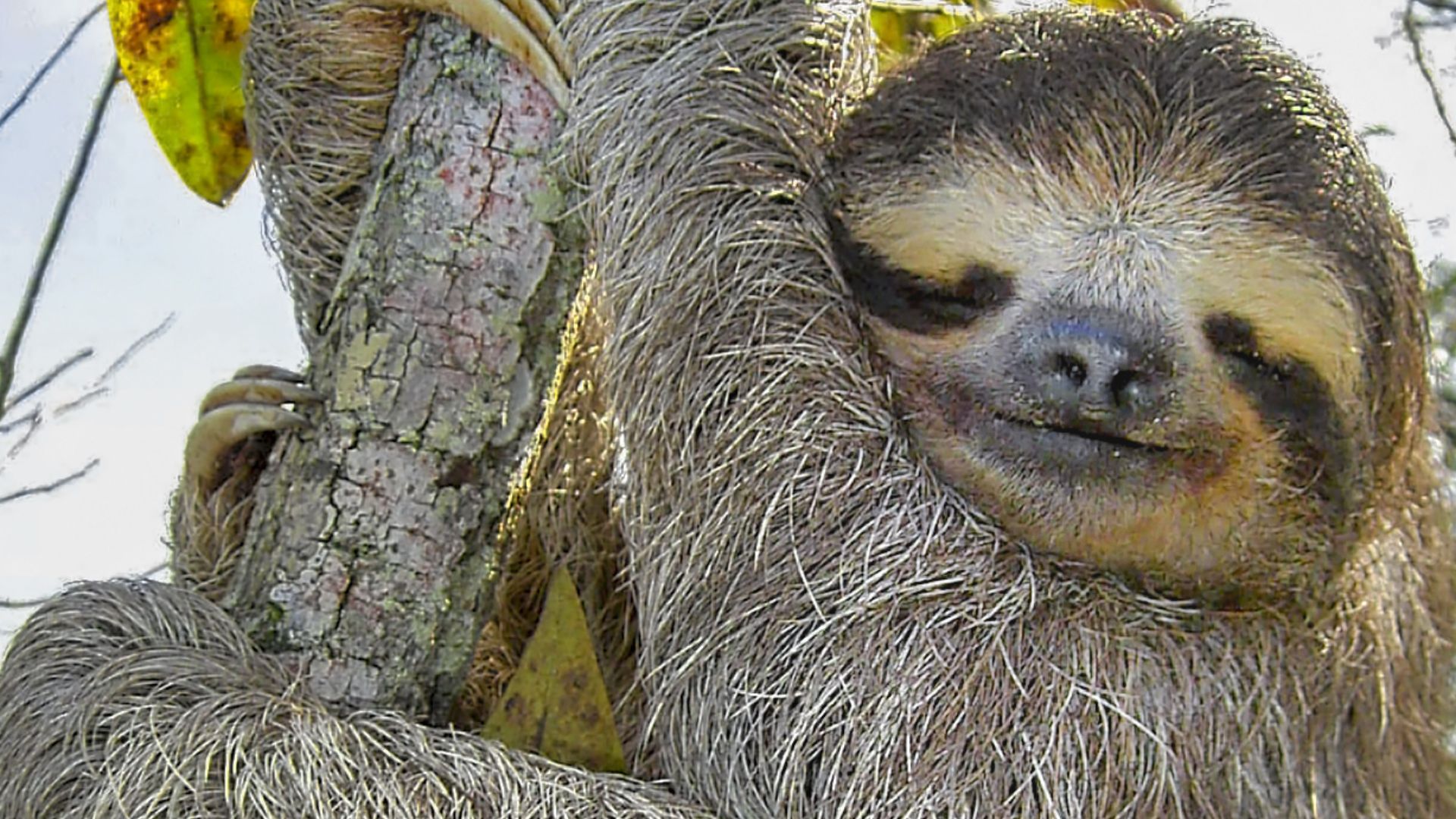
1. Three-toed Sloth
Living up to its reputation, a three-toed sloth moves at just 0.03 miles per hour. Moreover, they spend 20 hours a day sleeping, preserving energy due to their lower metabolic rate. That’s why this sloth can easily survive on a diet of leaves.
 Stefan Laube (Tauchgurke) on Wikimedia
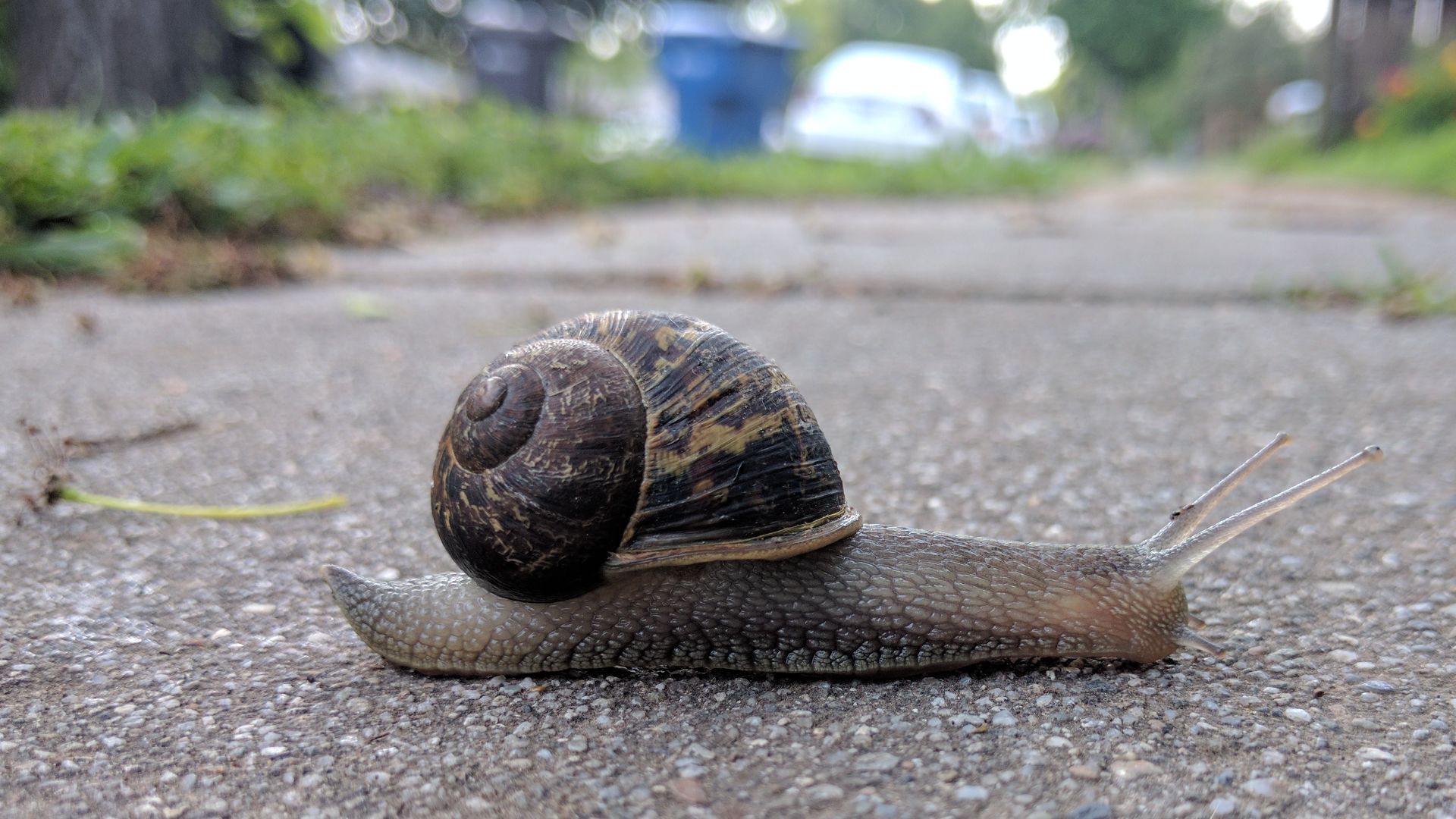
2. Garden Snail
Snails aren’t winning any races either because they creep along at a glacial 0.013 miles per hour, and they leave a shiny trail as evidence. Interestingly, a snail’s slow pace helps conserve moisture and energy. The goal is to survive, even if it takes them a while to get there.
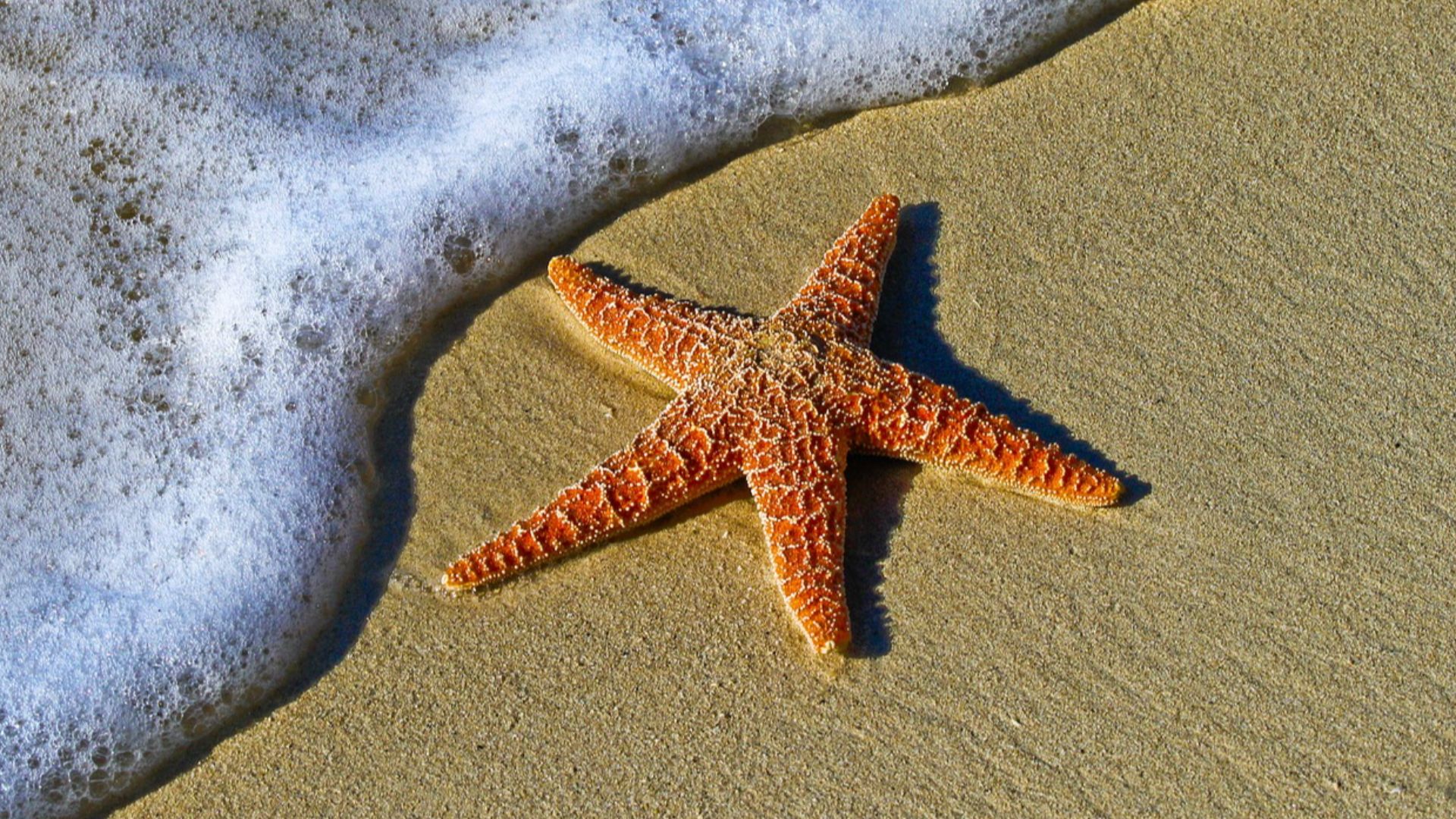
3. Starfish
The starfish is incredibly effective at scavenging for food like mollusks. But being slow (0.03 mph) doesn’t mean being defenseless. When faced with danger, starfish can regenerate lost limbs, which is one of their most remarkable survival adaptations.
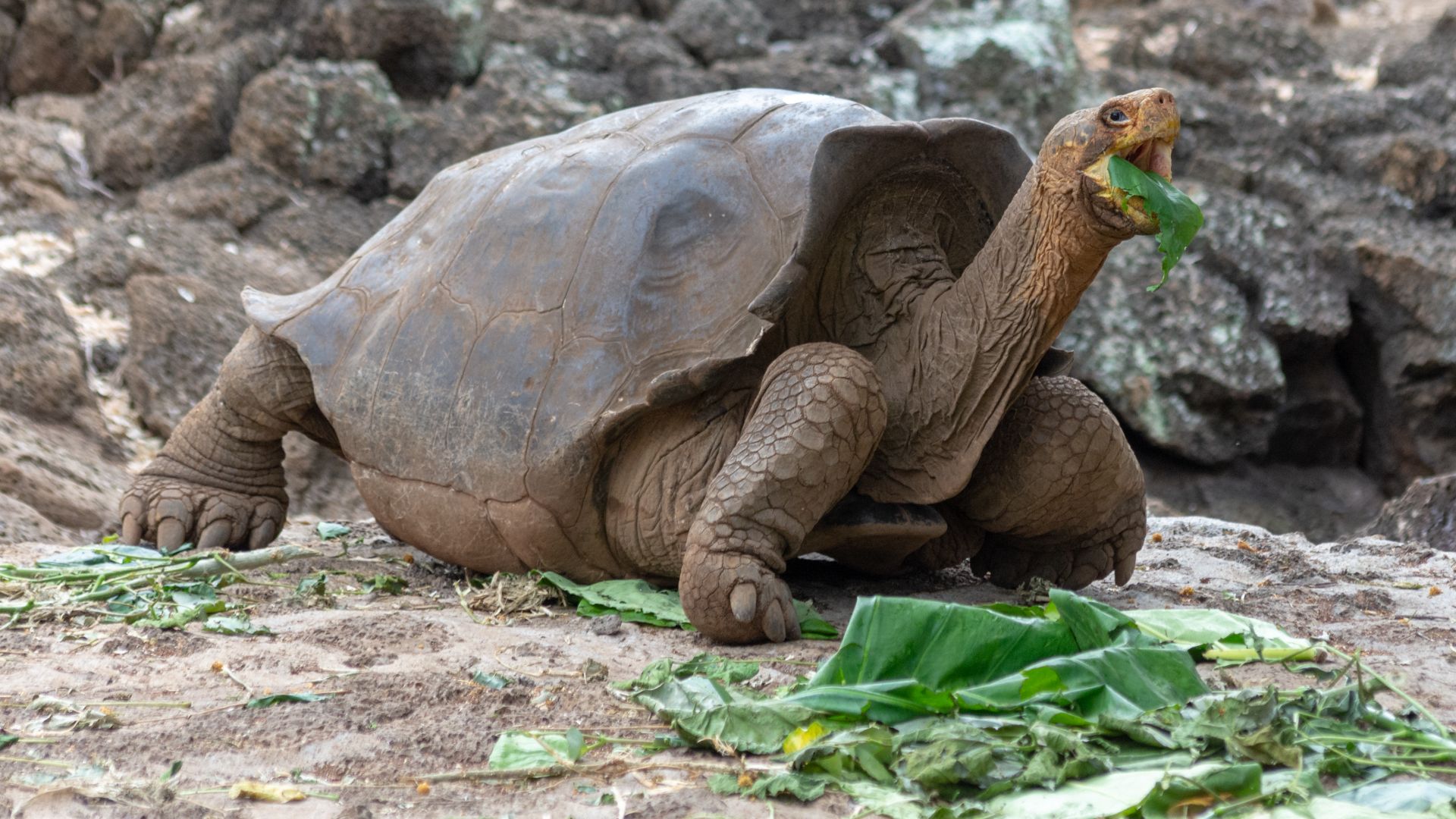
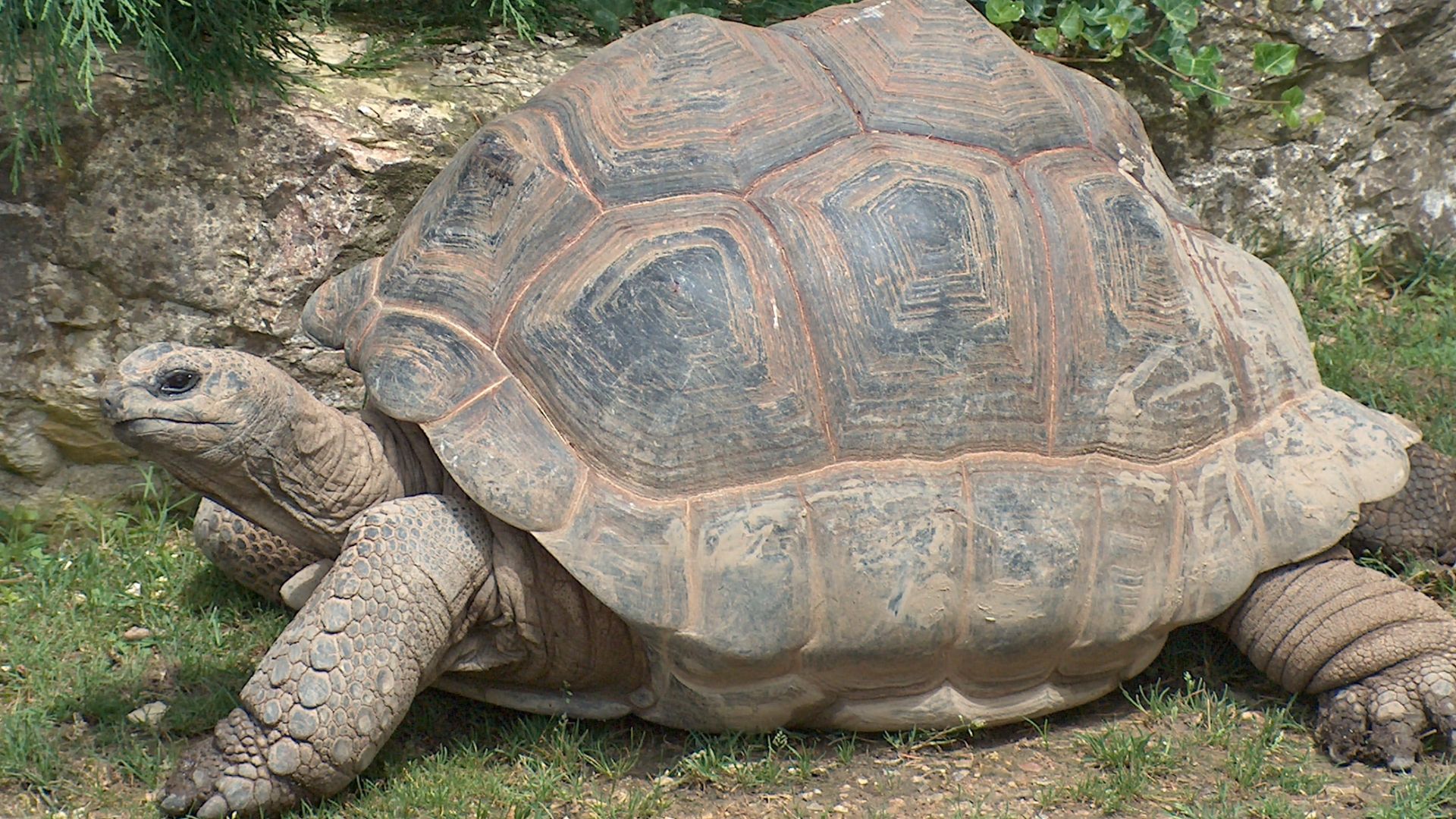
4. Giant Tortoise
Giant tortoises move at a leisurely pace, with a top speed of 0.2 miles per hour. These incredible creatures can live for over 100 years. Roaming the Galapagos Islands, they take their time, savoring each moment in their quiet, slow-paced world.
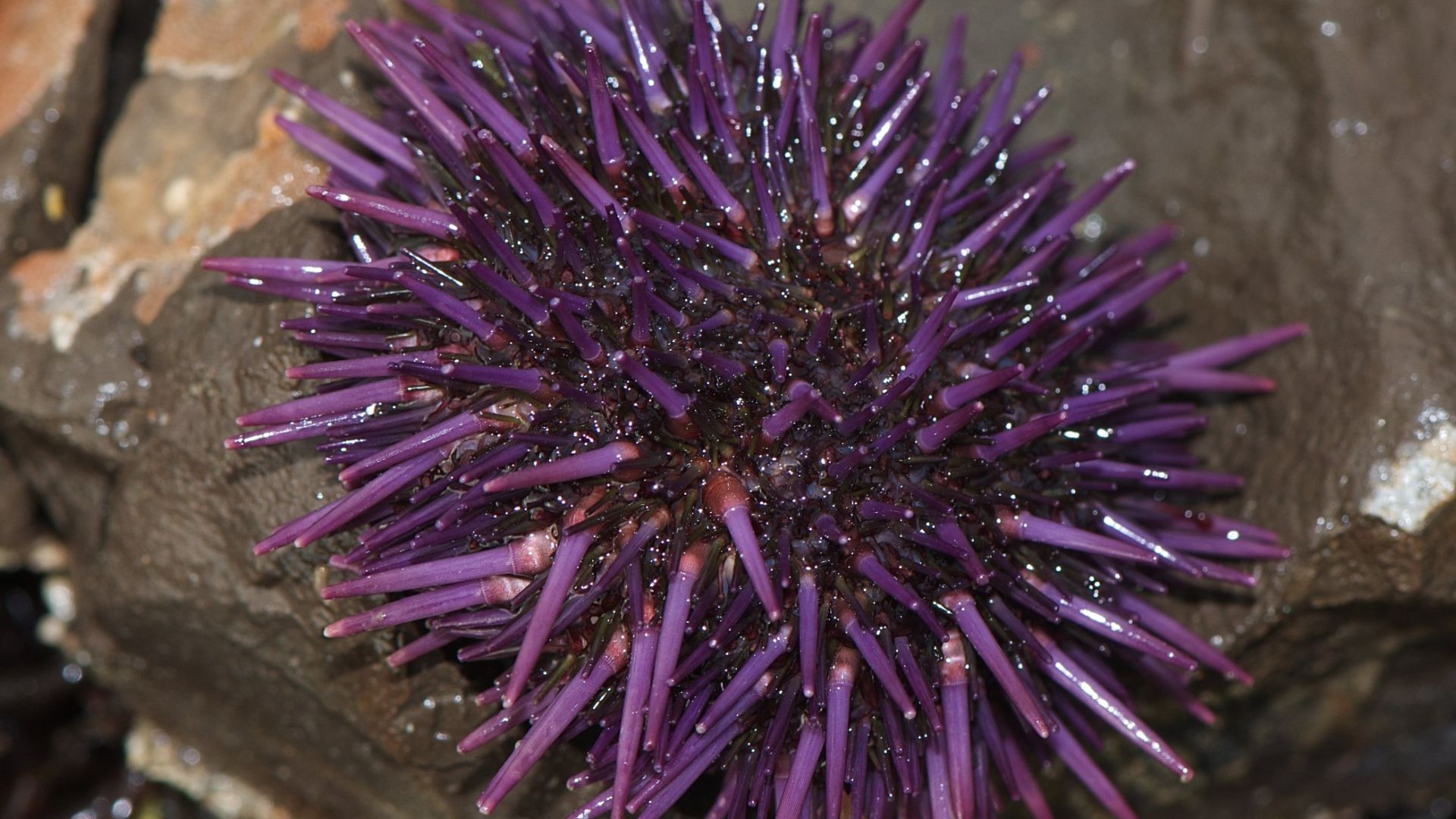
5. Purple Sea Urchin
These creatures move slowly, at just 0.1 miles per hour, as they graze on algae in their rocky habitats. Equipped with sharp, defensive spines, they play an important role in marine ecosystems by preventing algae overgrowth that could harm coral reefs.
 Jerry Kirkhart from Los Osos, Calif. on Wikimedia
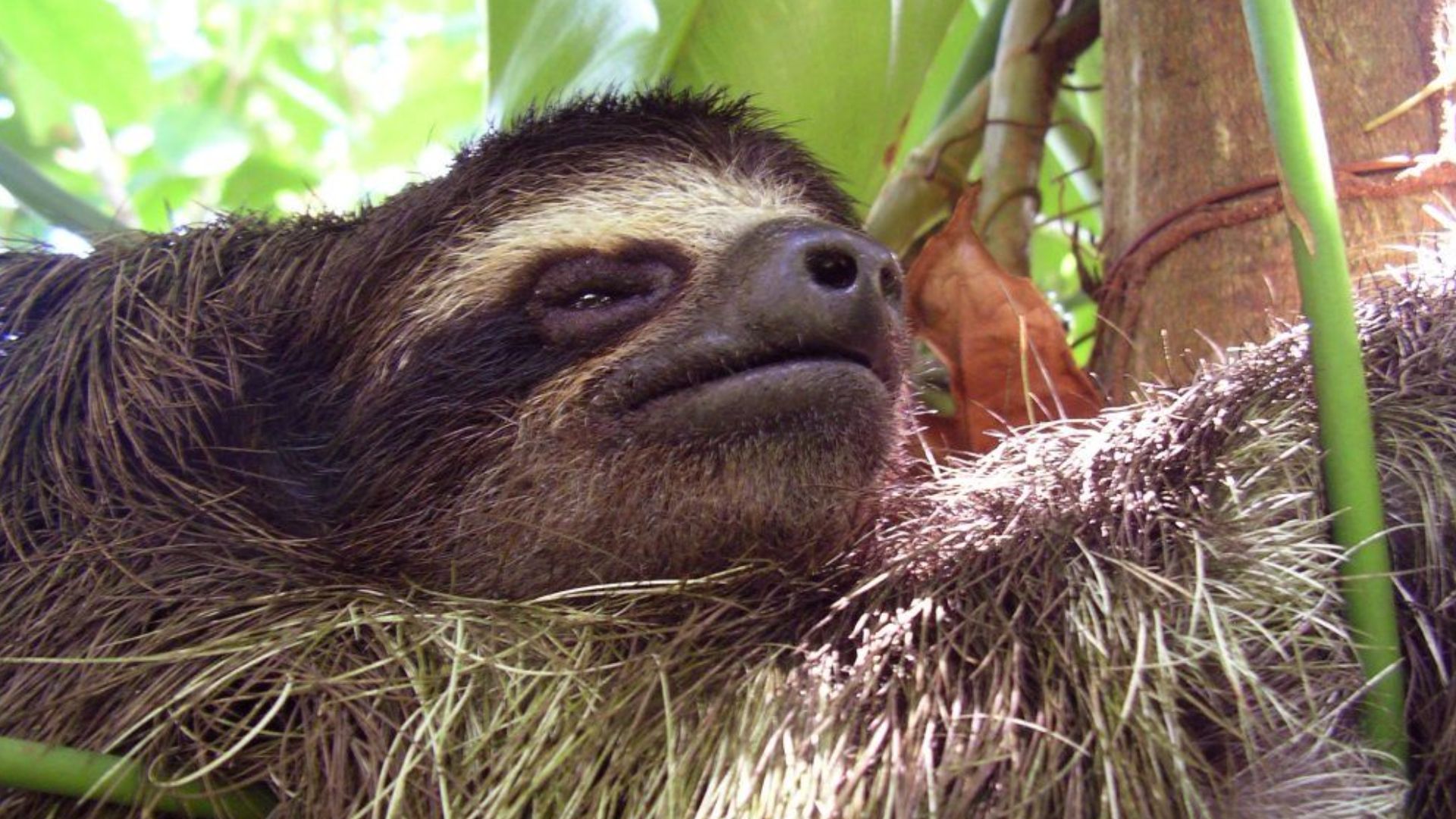
6. Pygmy Sloth
Enjoying life on a tiny island, the pygmy sloth is much like its three-toed brethern—only much smaller. The island, Isla Escudo de Veraguas, offers little in terms of food, so the slow speed suits the sloth’s sluggish lifestyle. Pygmy sloths also spend most of their time in the treetops to stay safe.
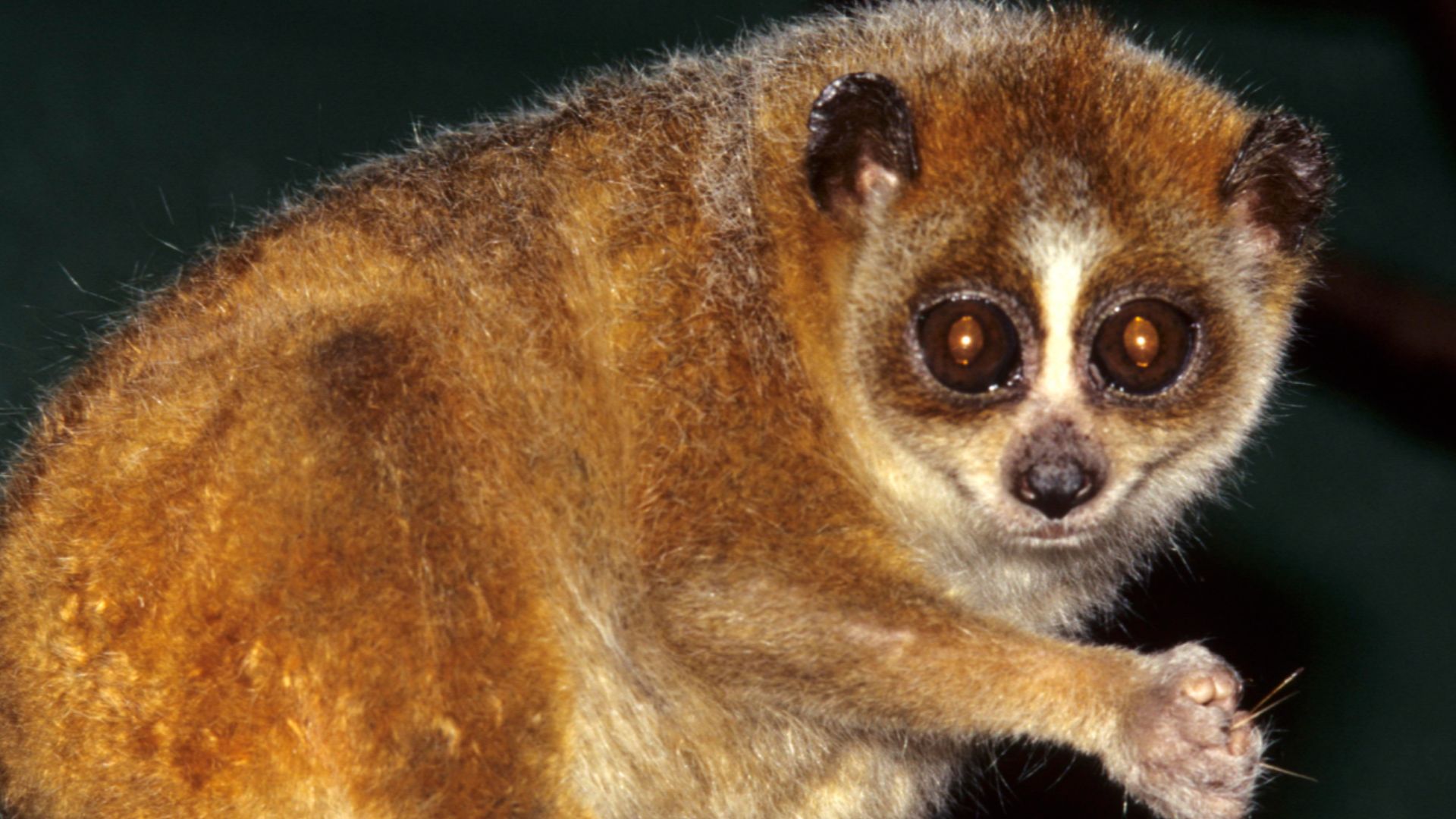
7. Slow Loris
Known for its deliberate, methodical movements, the slow loris is the poster child for this bunch of creatures. This primate takes its time to move through the treetops, moving at just 0.1 miles per hour. Its slow pace helps avoid predators, and it makes it a master of stealth in the wild.
 David Haring / Duke Lemur Center on Wikimedia
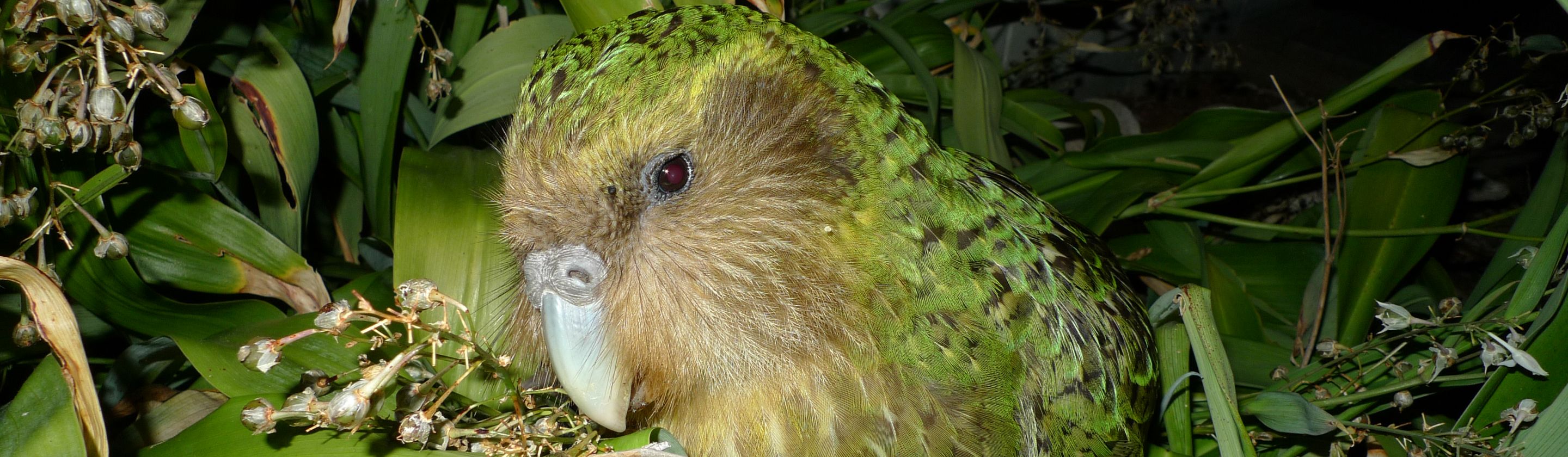
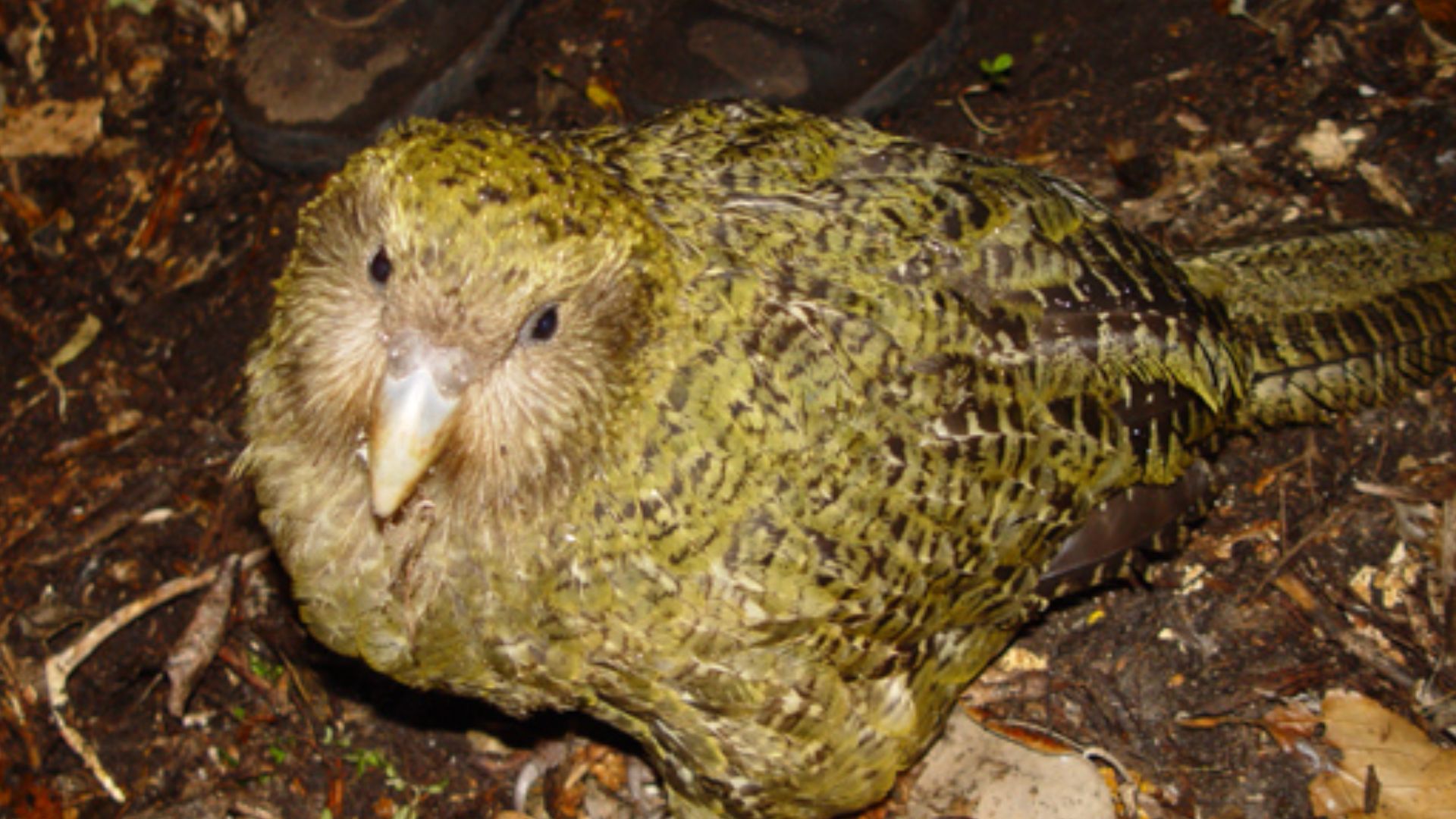
8. Kakapo Parrot
The flightless kakapo parrot, native to New Zealand, is one of the heaviest and slowest parrots. Known for its nocturnal habits, this waddling bird has moss-green plumage for camouflage. With fewer than 250 left, each step is important for its survival in the wild.
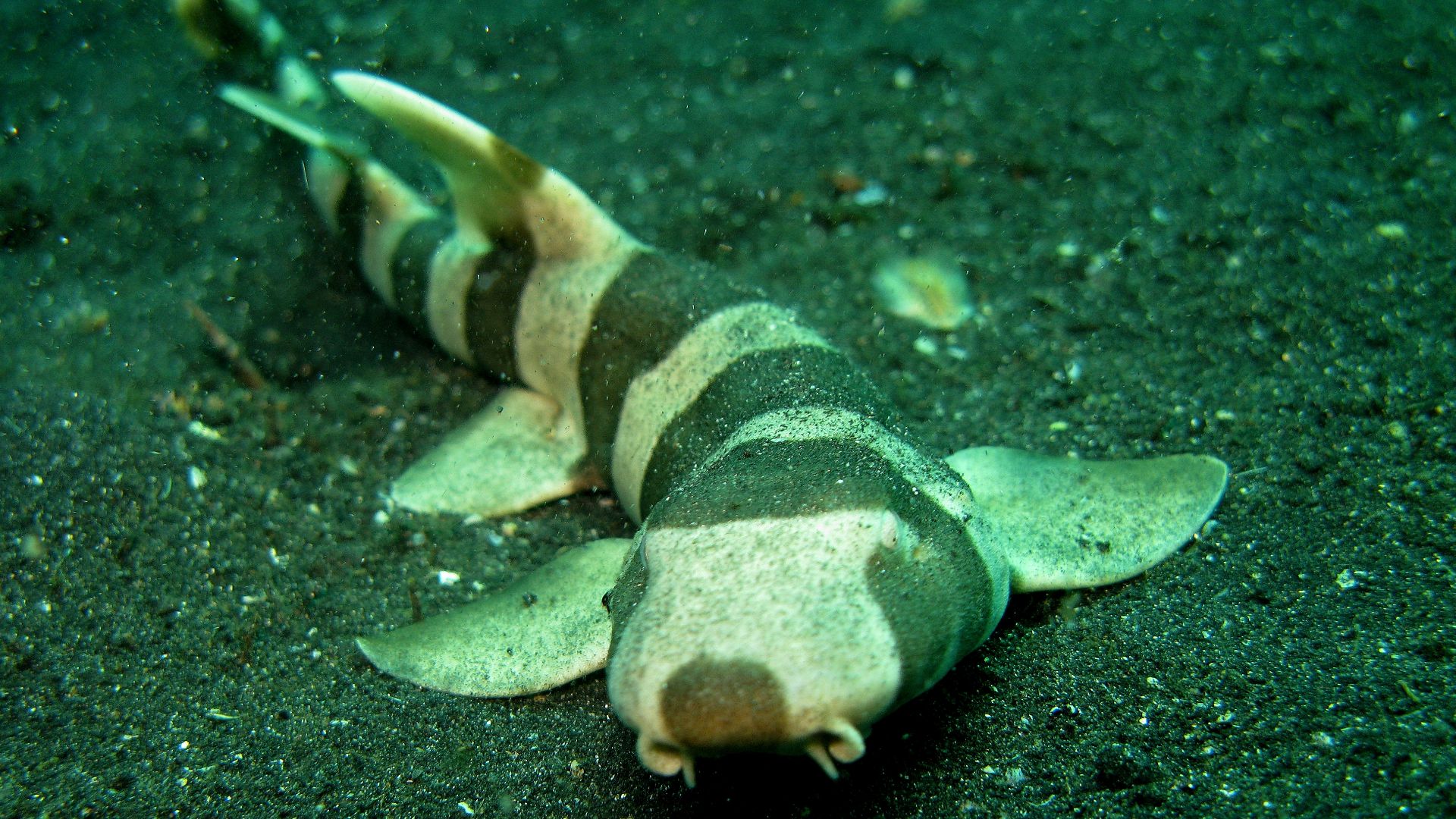
 Mnolf on Wikimedia9. Bamboo Shark
Surprised to see a shark here? The hunting style of slow-moving bamboo sharks relies on stealth as they move slowly and wait for the right moment to strike. Over millions of years, their 0.3 mph pace has proven to be a successful strategy, as they take full advantage of their surroundings.
10. Sea Turtle
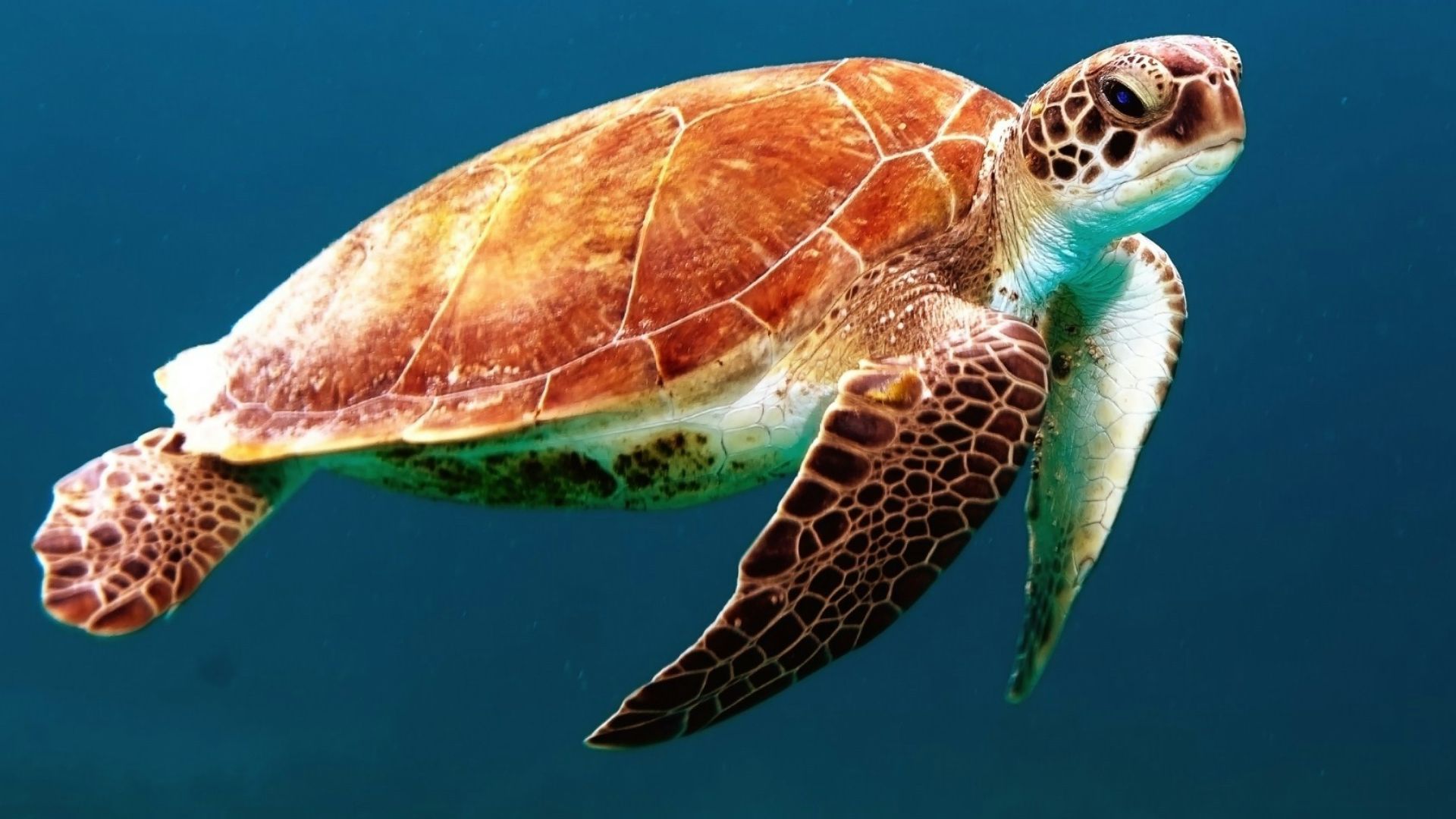
Not the quickest swimmers; even then, the endurance of a sea turtle is unmatched. Surprisingly, it can travel thousands of miles across oceans during migrations. By trusting the ocean currents, sea turtles take these slow trips, even though the journey can last months.