Pets Need Space Too
Not every pet is built for life in a small apartment. Some animals crave open spaces to roam and be themselves. Keeping them cooped up in tight quarters is downright unfair to both you and them! If you’re thinking about bringing home a pet, it’s worth knowing which ones need a bit more breathing room to stay happy and comfortable. So here are ten pets you should never keep in small spaces.
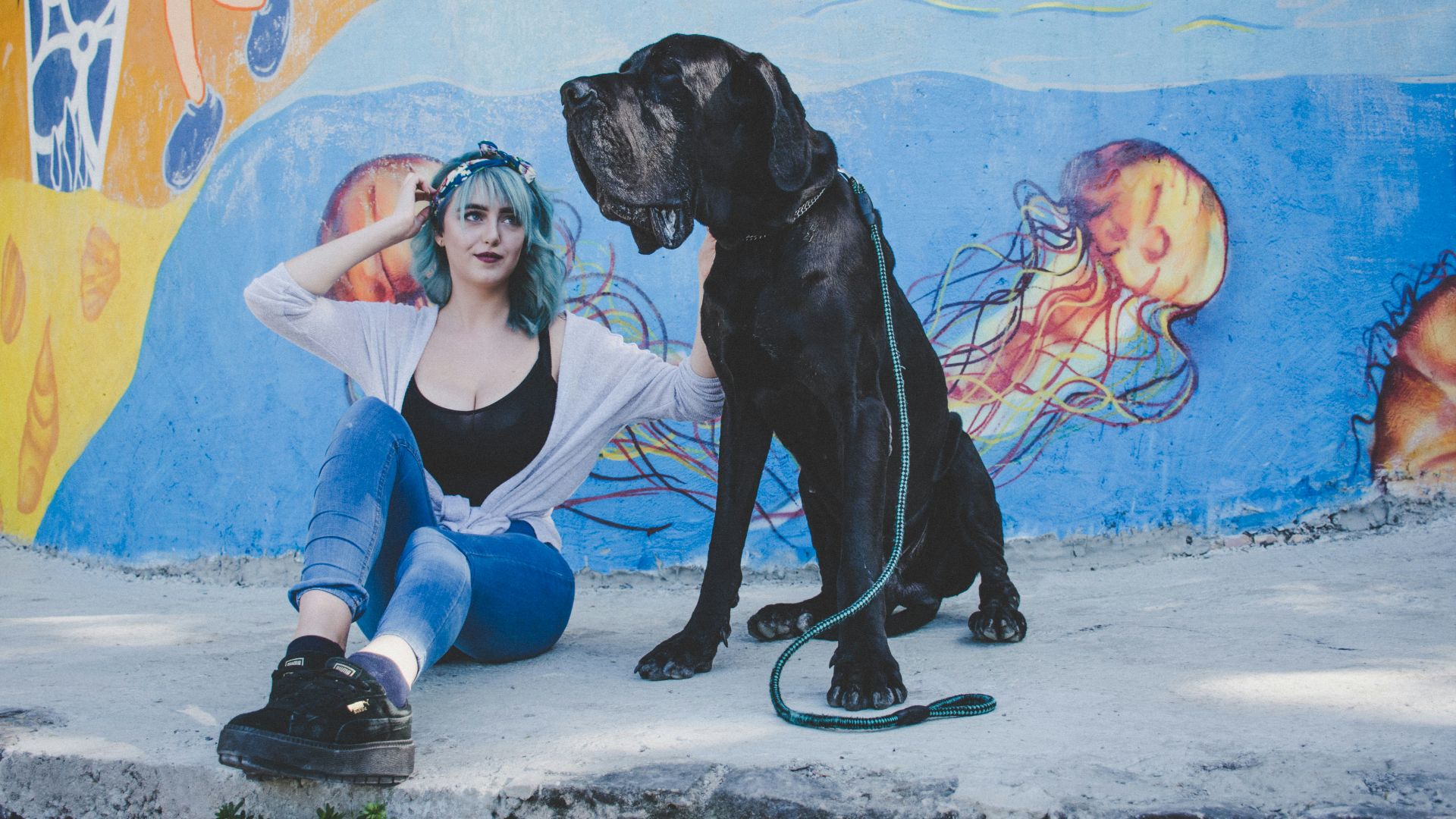
1. African Grey Parrot
African Greys need plenty of space and enrichment to stay healthy. A large aviary or spacious cage with regular out-of-cage time works well. These smart parrots thrive when they can fly, squawk, and solve puzzles. Without a good space for it, they can get anxious and start plucking feathers.
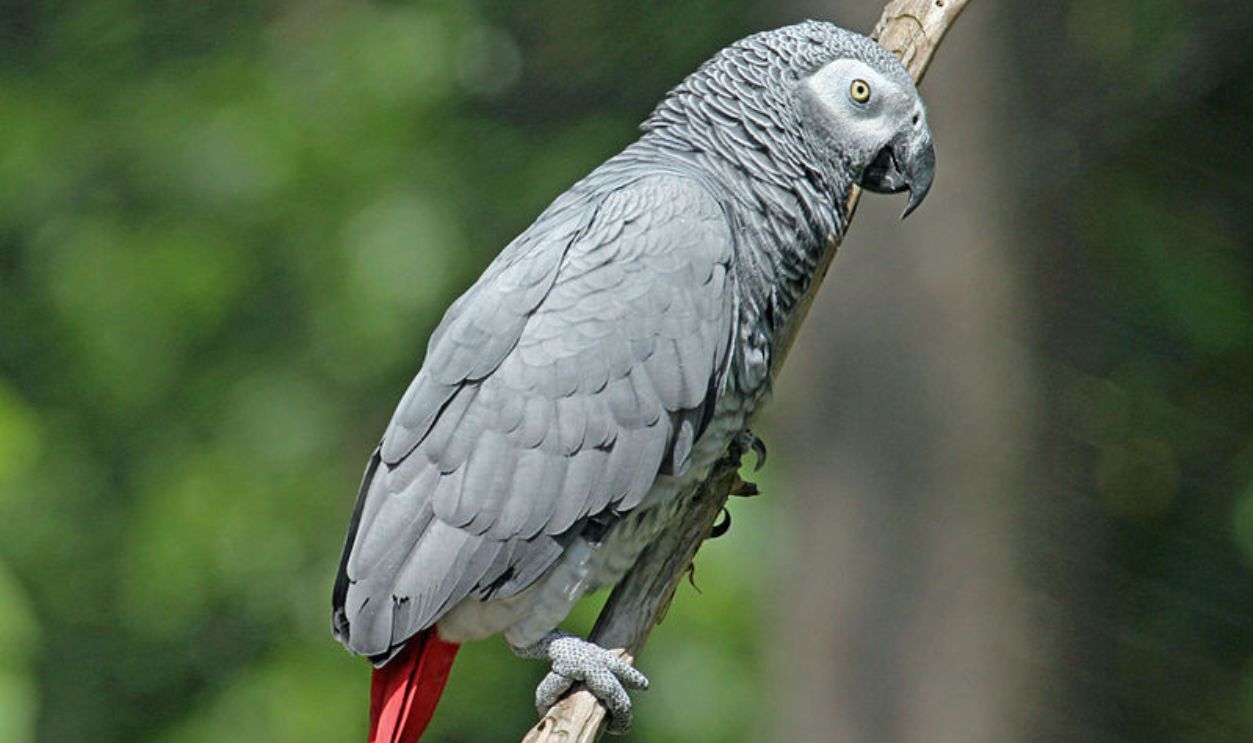
2. Great Dane
Do you remember Scooby Doo? The dog almost reached the height of his friend Shaggy. That’s the Great Dane breed, and because of their size, a cramped apartment won’t do justice. Great Danes need at least a few hundred square feet of open space to stretch out comfortably.
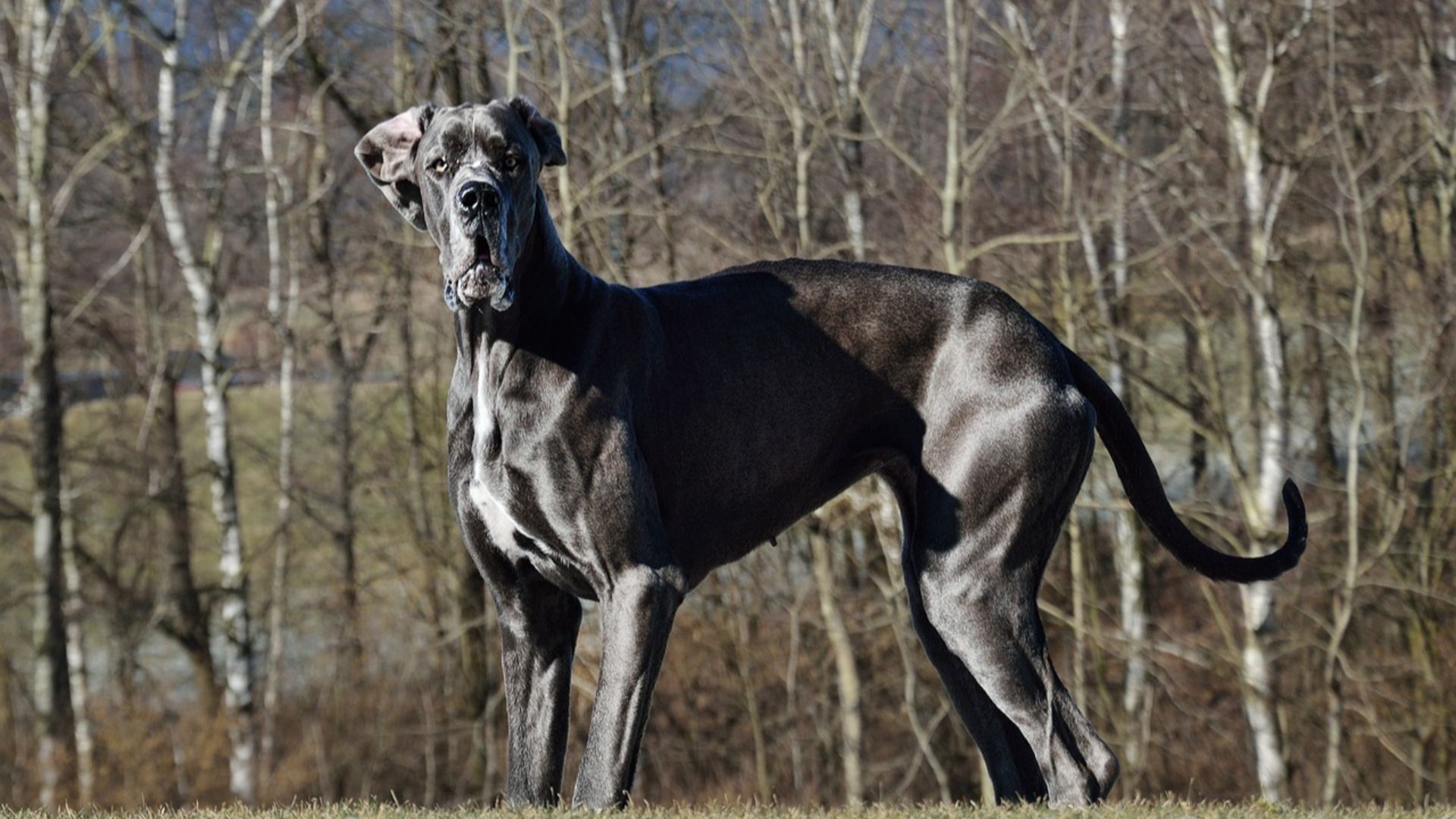
3. Red Eared Slider Turtle
Swimming in circles in a small tank shouldn’t be the life for a Red Eared Slider. They require a 75-gallon tank to swim comfortably, with outdoor ponds being an even better choice. A tiny tank will only lead to shell problems and frustration.
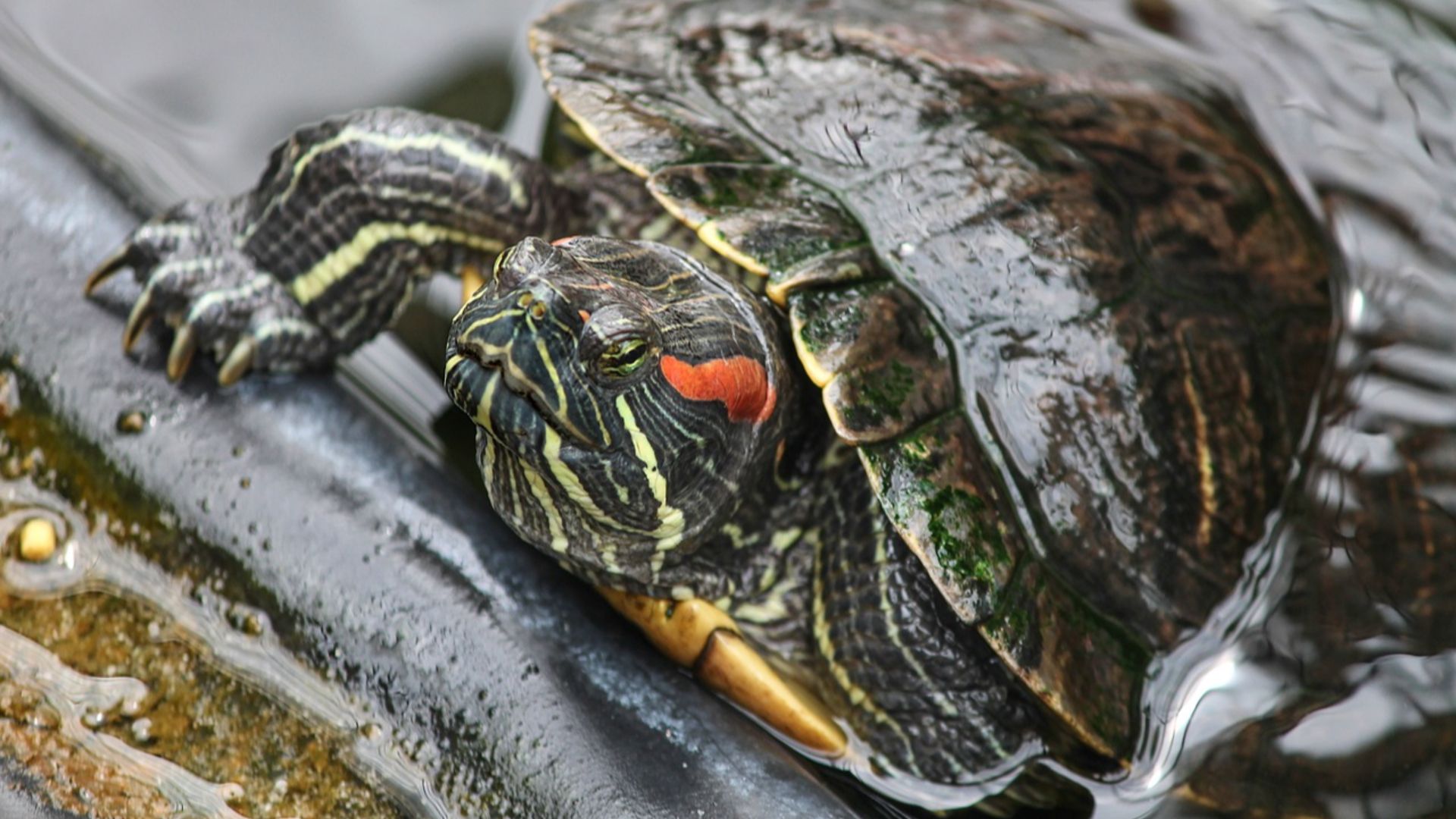
4. Flemish Giants
Bigger than an average bunny, Flemish Giants can grow up to 14 pounds or more. Those rabbits need a ton of space. Ideally, a pen or room that gives them at least 16 square feet of space where they can freely hop, stretch, and explore. Without it, they can quickly get stressed out.
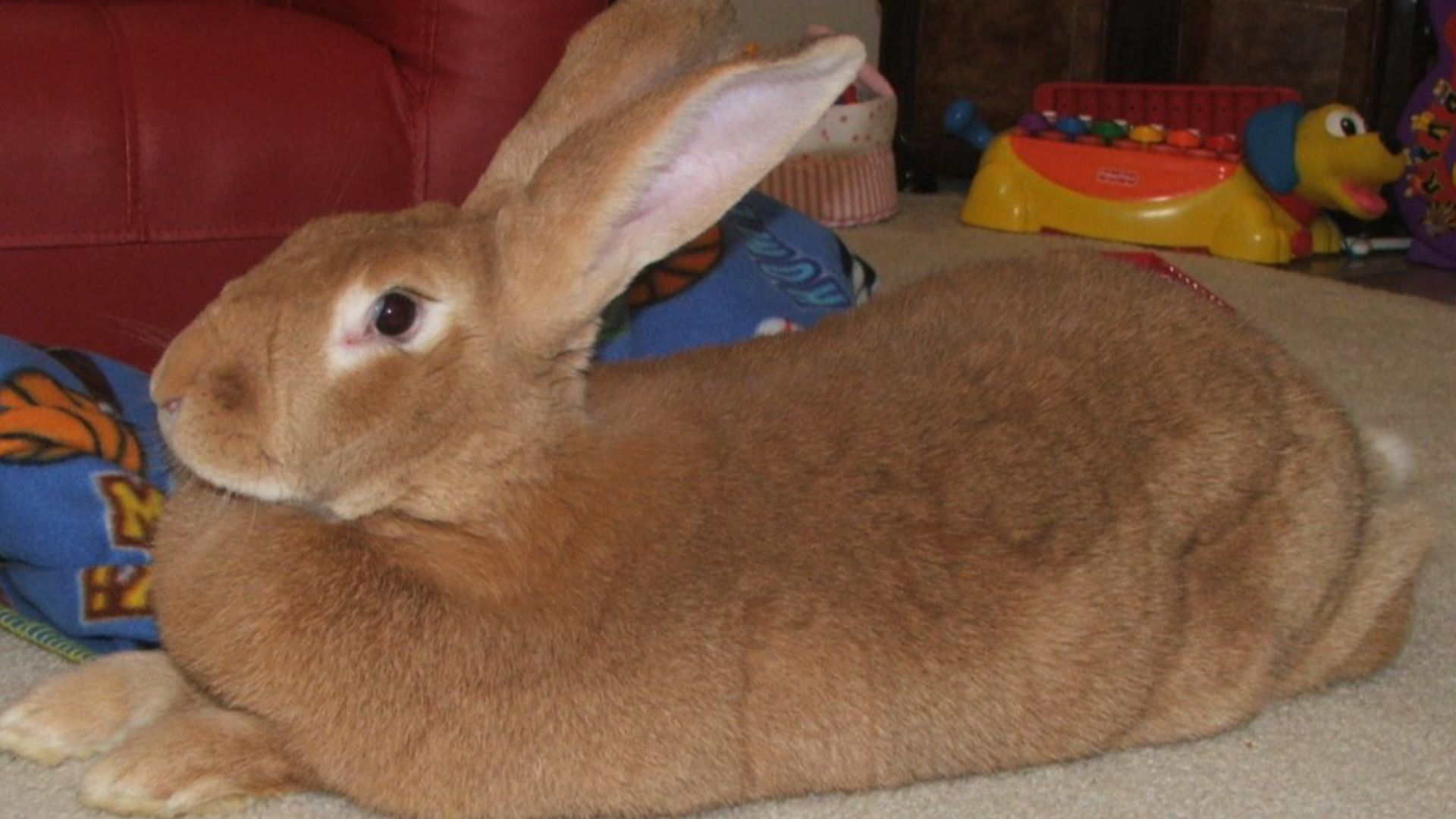 Lithonius at English Wikipedia on Wikimedia
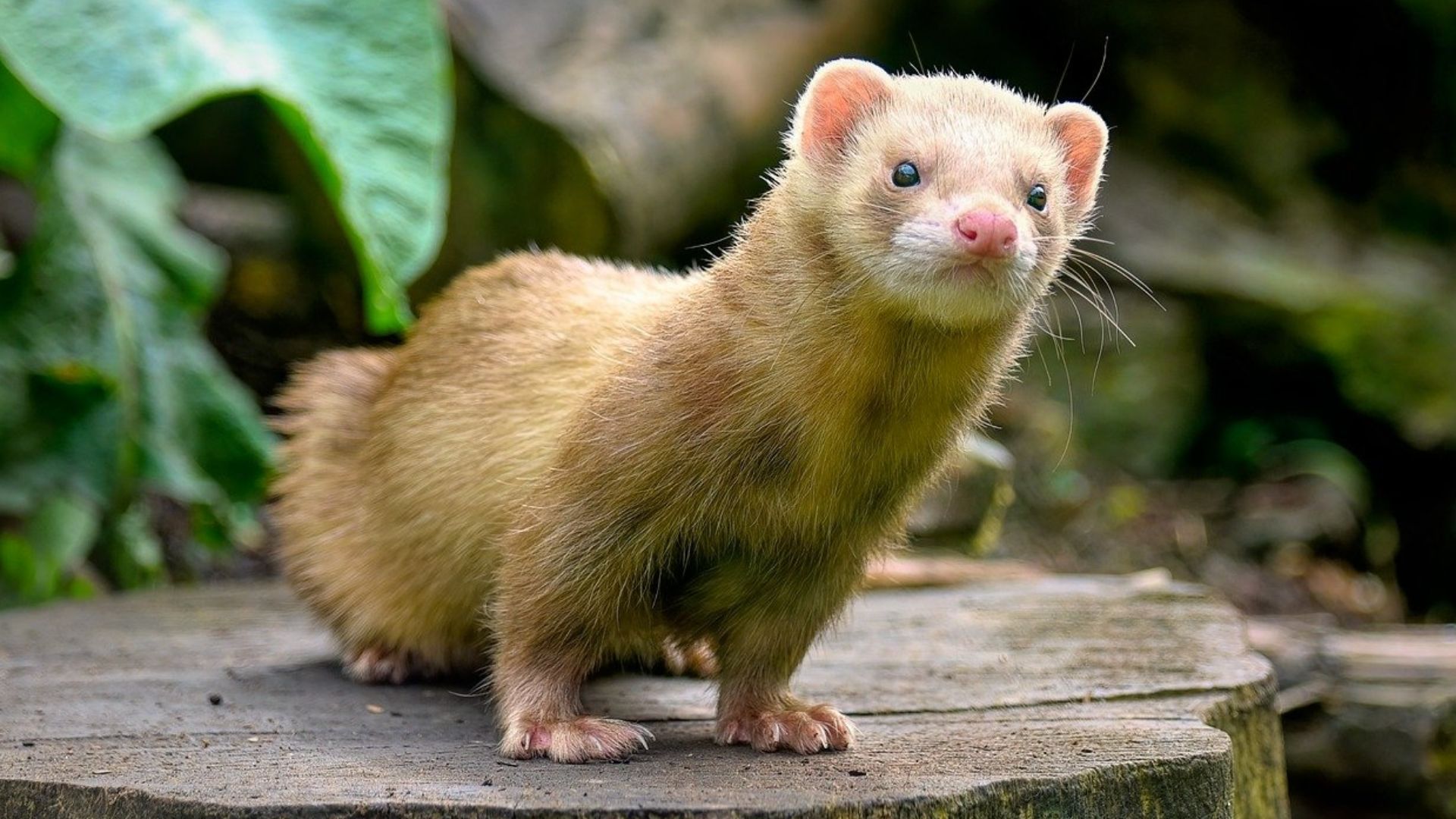
5. Ferrets
Ferrets are always on the move because they are curious and energetic. A typical ferret needs at least 2-3 hours of playtime outside their cage each day in a safe, enclosed area. In small spaces, they’re more likely to dig, chew, and develop behavioral issues.
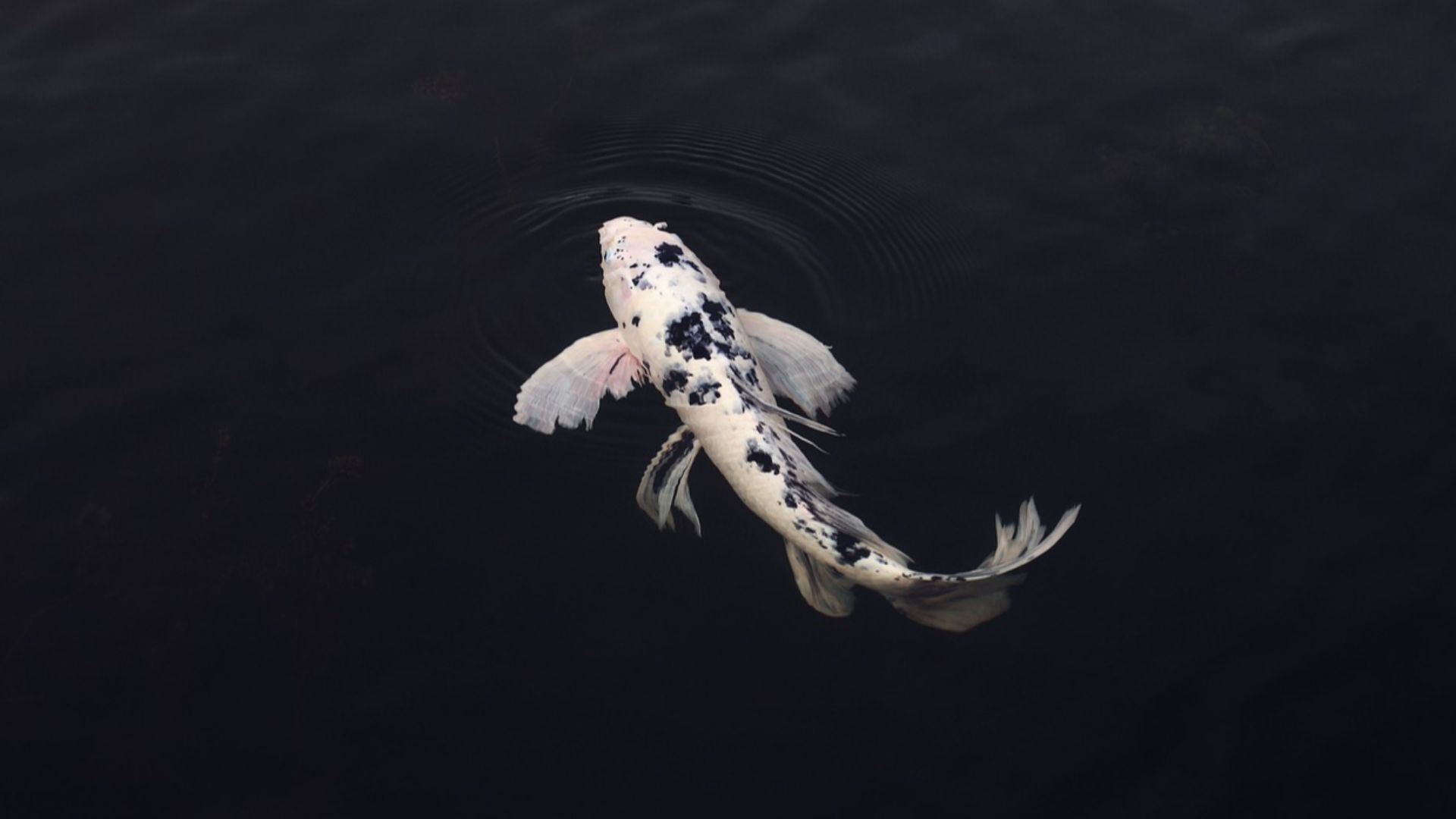
6. Koi Fish
Graceful and colorful Koi Fish can grow up to 3 feet long, making a large pond the best habitat. In small tanks, they may experience stunted growth or fungal infections. Hence, it's best to give them a minimum of 100 gallons of water per Koi to ensure they stay healthy and thrive.
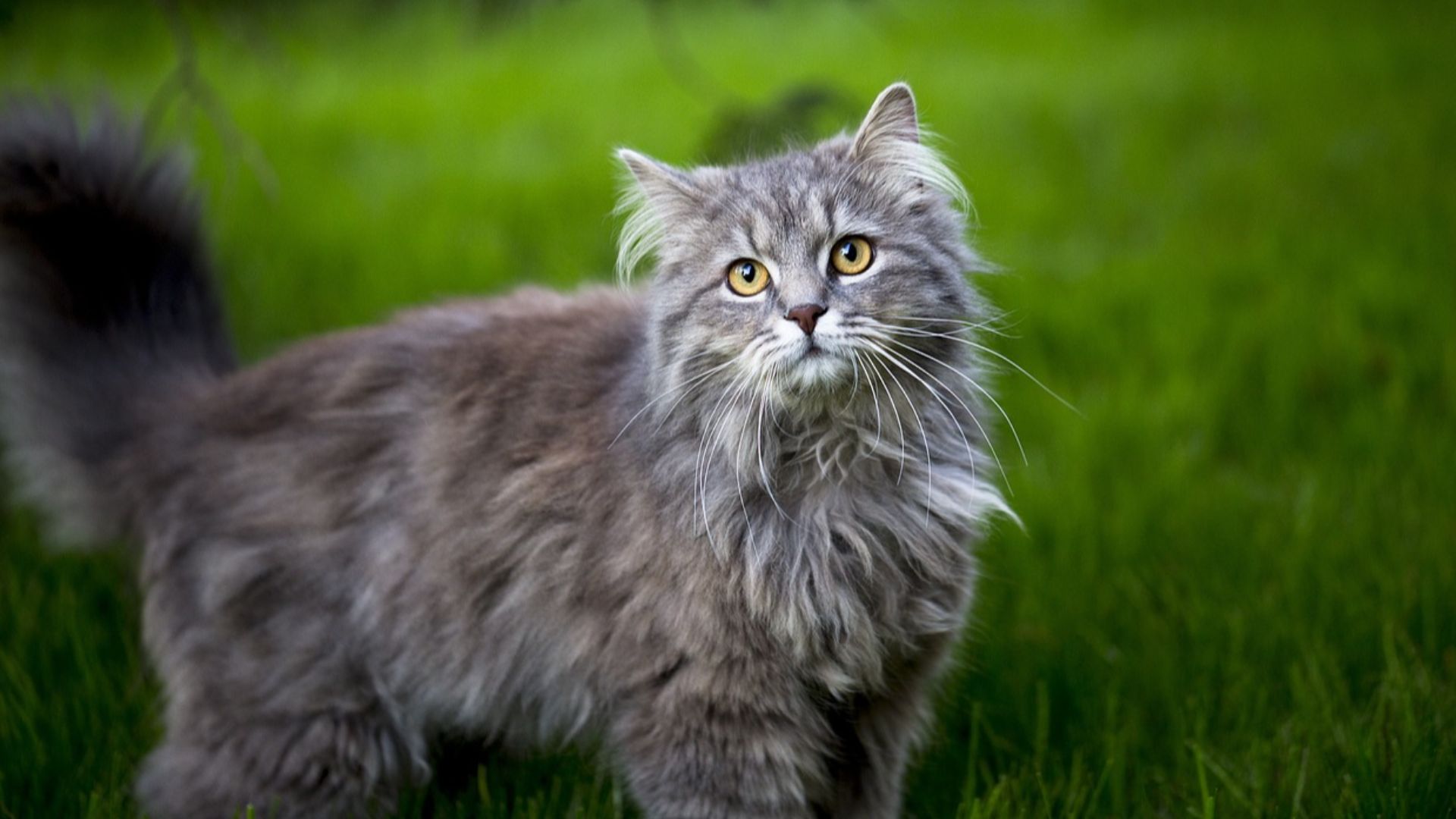
7. Maine Coon
Maine Coons are the largest domesticated cats, and their love for climbing and exploring calls for roomy space. A home with 18–20 square feet and plenty of vertical climbing options, like cat trees or shelves, provides the perfect environment for their active lifestyles.
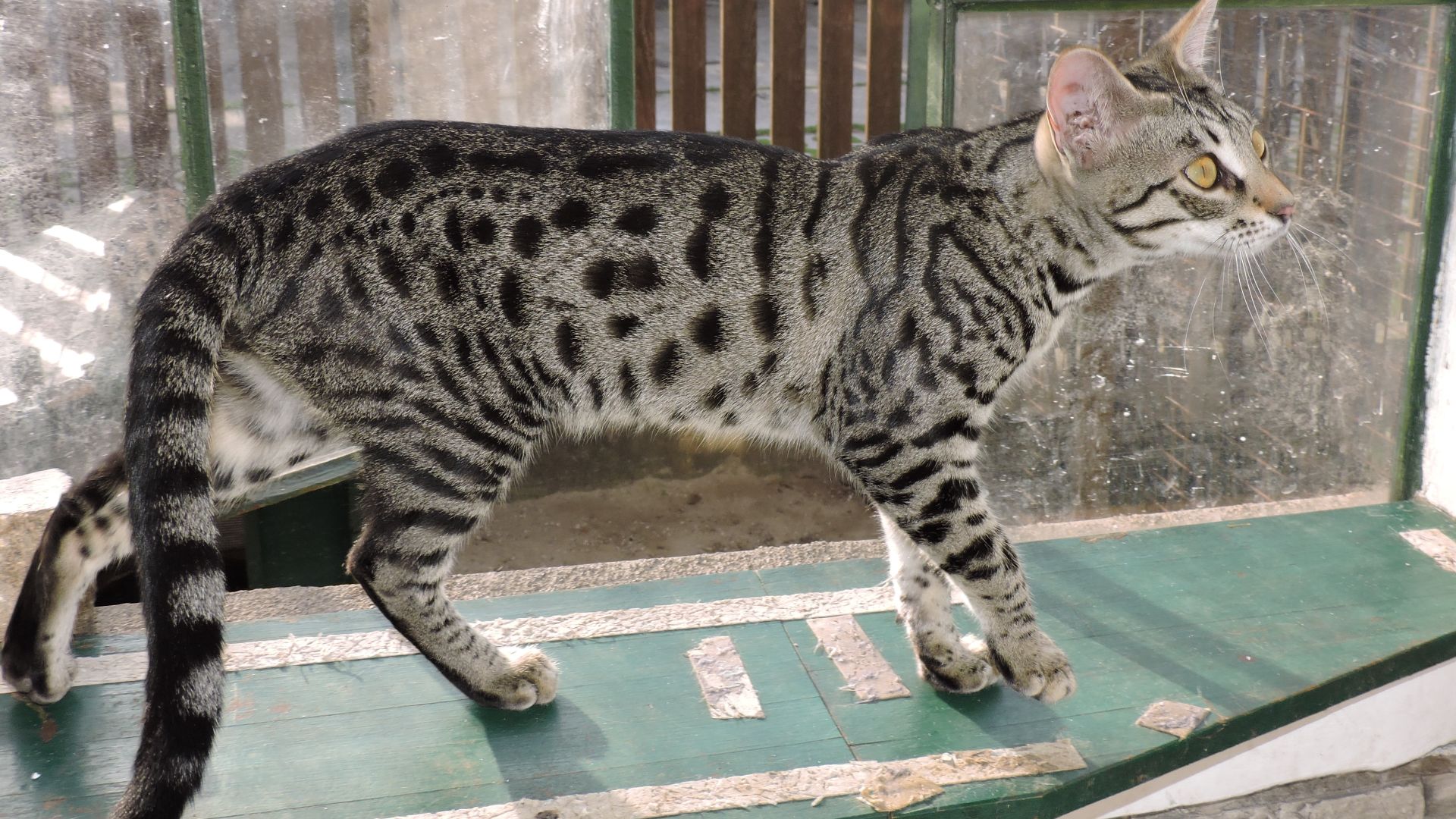
8. Savannah Cats
Small spaces don’t work well for Savannah cats—they’re likely to make their dissatisfaction known by toppling things or meowing for attention. As hybrids with African Serval ancestry, they’re built for jumping and exploring. They do best in spacious homes with enclosures that match their energy and size.
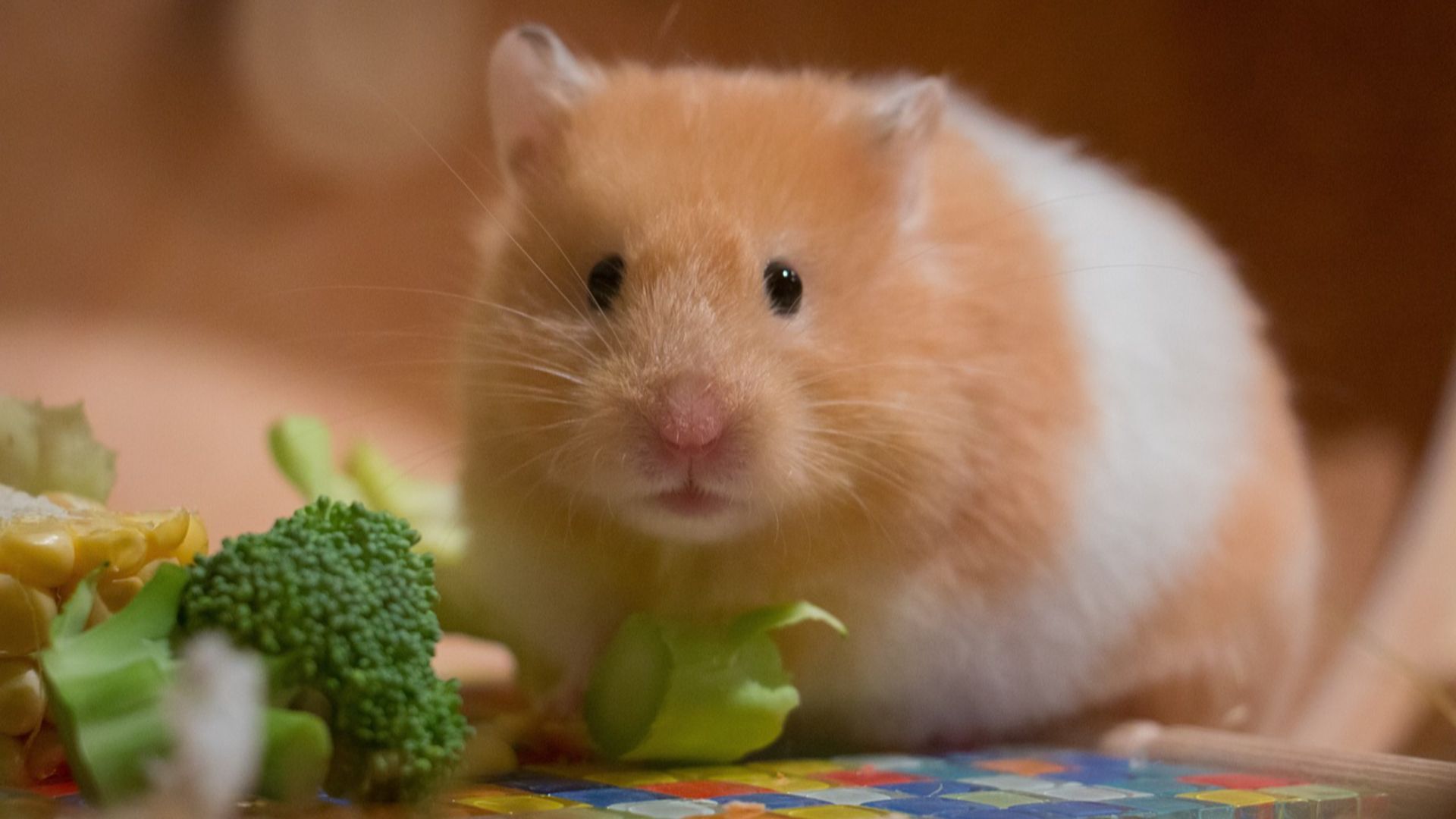
9. Hamsters
Though small, hamsters will ask for more space than many people realize. A typical hamster cage may seem sufficient at first, but those curious hamsters enjoy running on wheels, burrowing, and climbing, which means they need about 450 square inches of floor space with levels and tunnels. Plus, you'll need ample room to keep their cage away from where you sleep, as hamsters are known to make plenty of noise—especially at night.
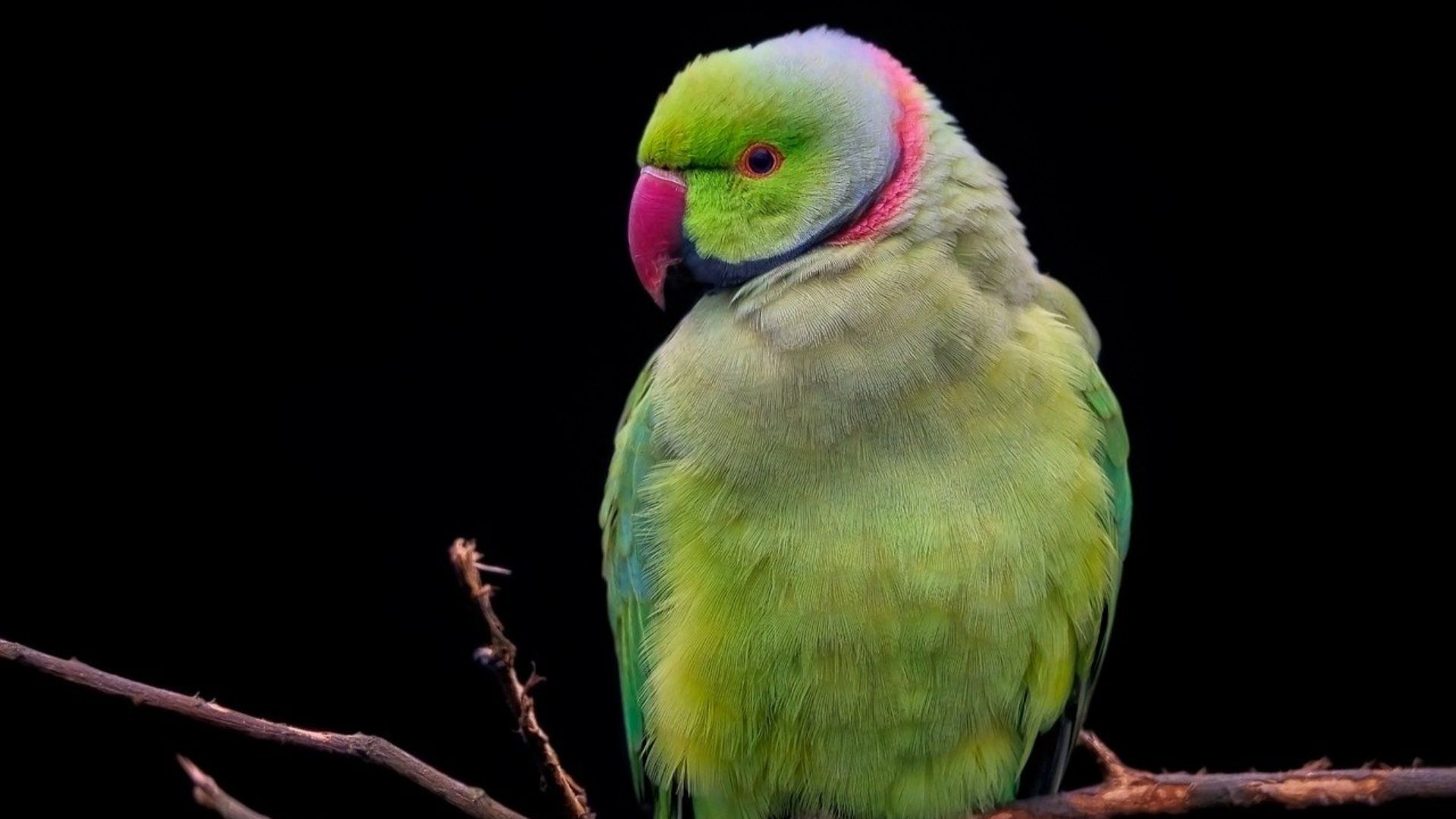
10. Parakeet
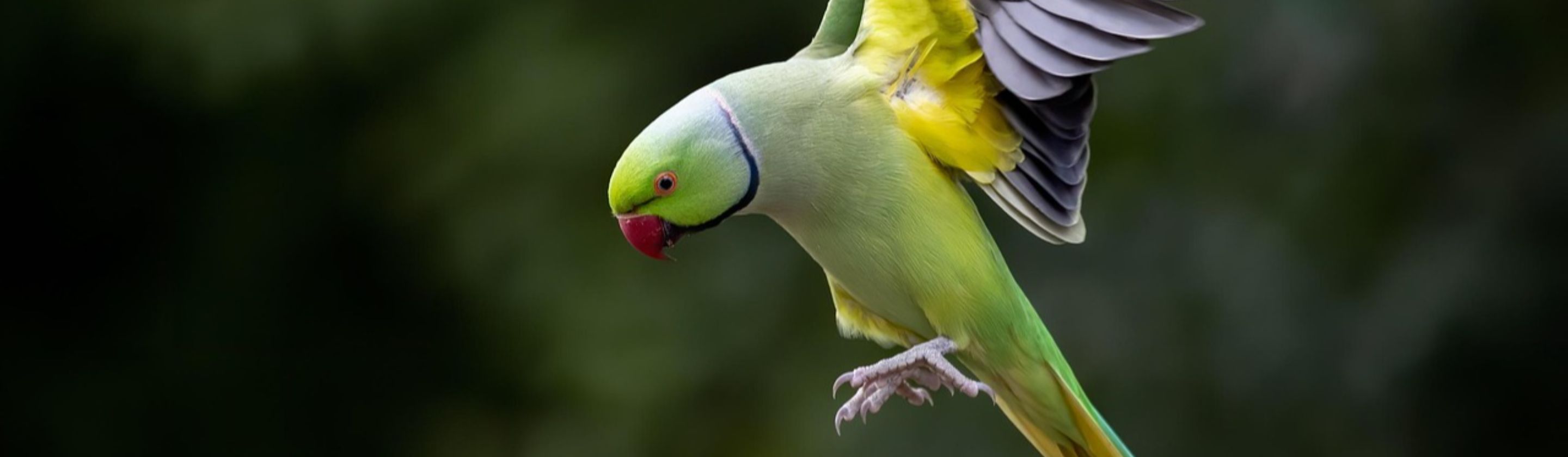
Among the most loved pet bird species in the US is the parakeet, or Budgie. While the birds are small, they are incredibly active and prefer a cage that is approximately 18x18 inches wide and deep and 24 inches tall. But a larger aviary or flight cage is much better.