
Stop Horsing Around
Are you ready to stop horsing around? Horse care is no simple feat but it can be made a lot simpler if you prepare yourself. From hoof care to feeding, there's a lot that needs to be taken into consideration. But don’t worry! A simple routine care can make a big difference without extra stress and spending. Take these ten steps to keep your horse happy and healthy.
1. Regular Hoof Care
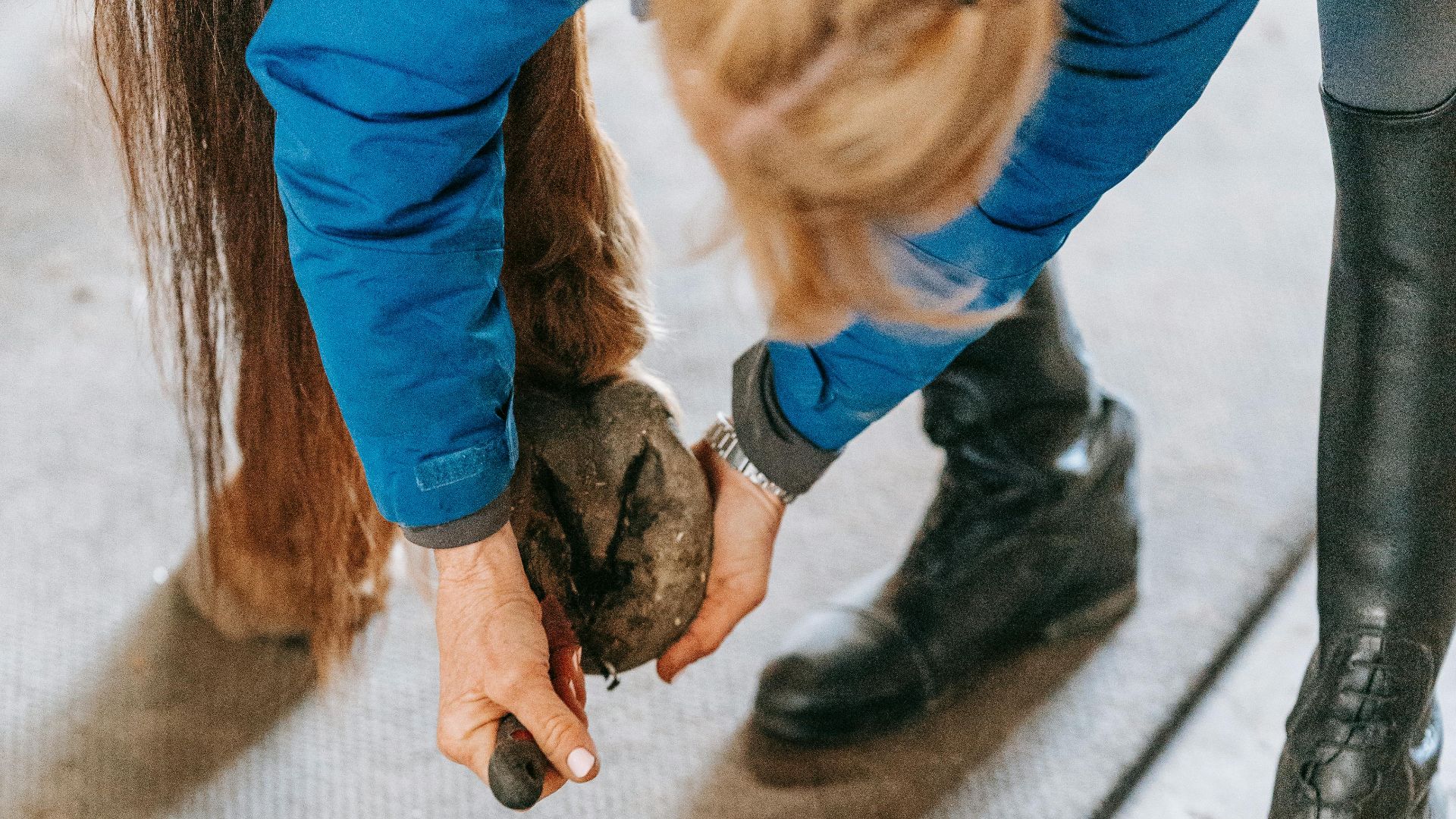
Keeping up with hoof care doesn’t have to be an expensive hassle if you do it often. By scheduling farrier visits every 6 to 8 weeks and checking for debris or cracks after each ride, you can stay ahead. A quick daily hoof pick will help prevent painful surprises down the road.
2. Balanced Diet with Quality Hay
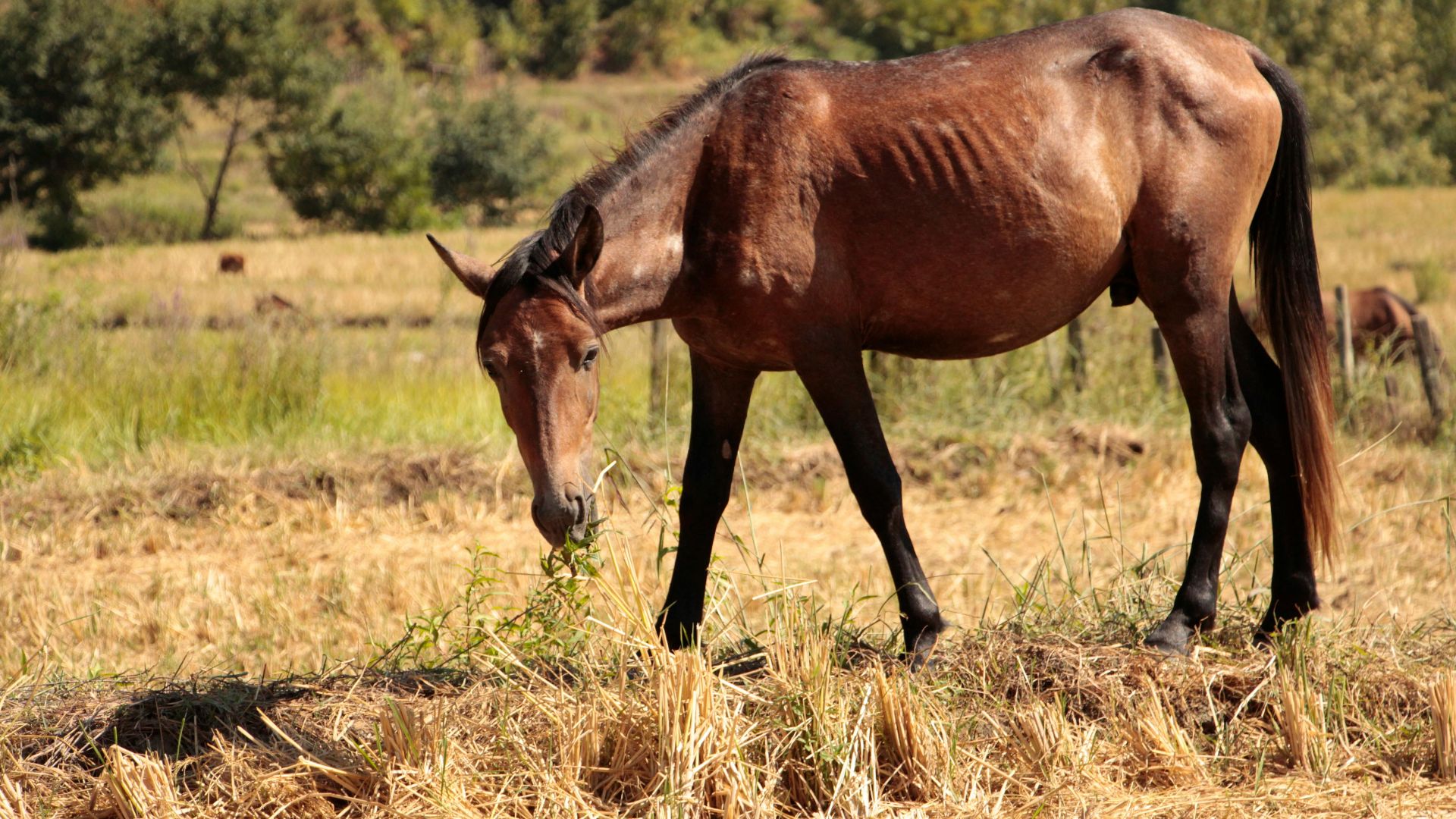
Feeding horses efficiently? Here’s the key: Stock up on high-quality hay and use a slow feeder to let them graze naturally. You should also pre-measure grain portions to avoid overfeeding or underfeeding. It’s all about making feeding time effortless and consistent.
3. Routine Dental Care
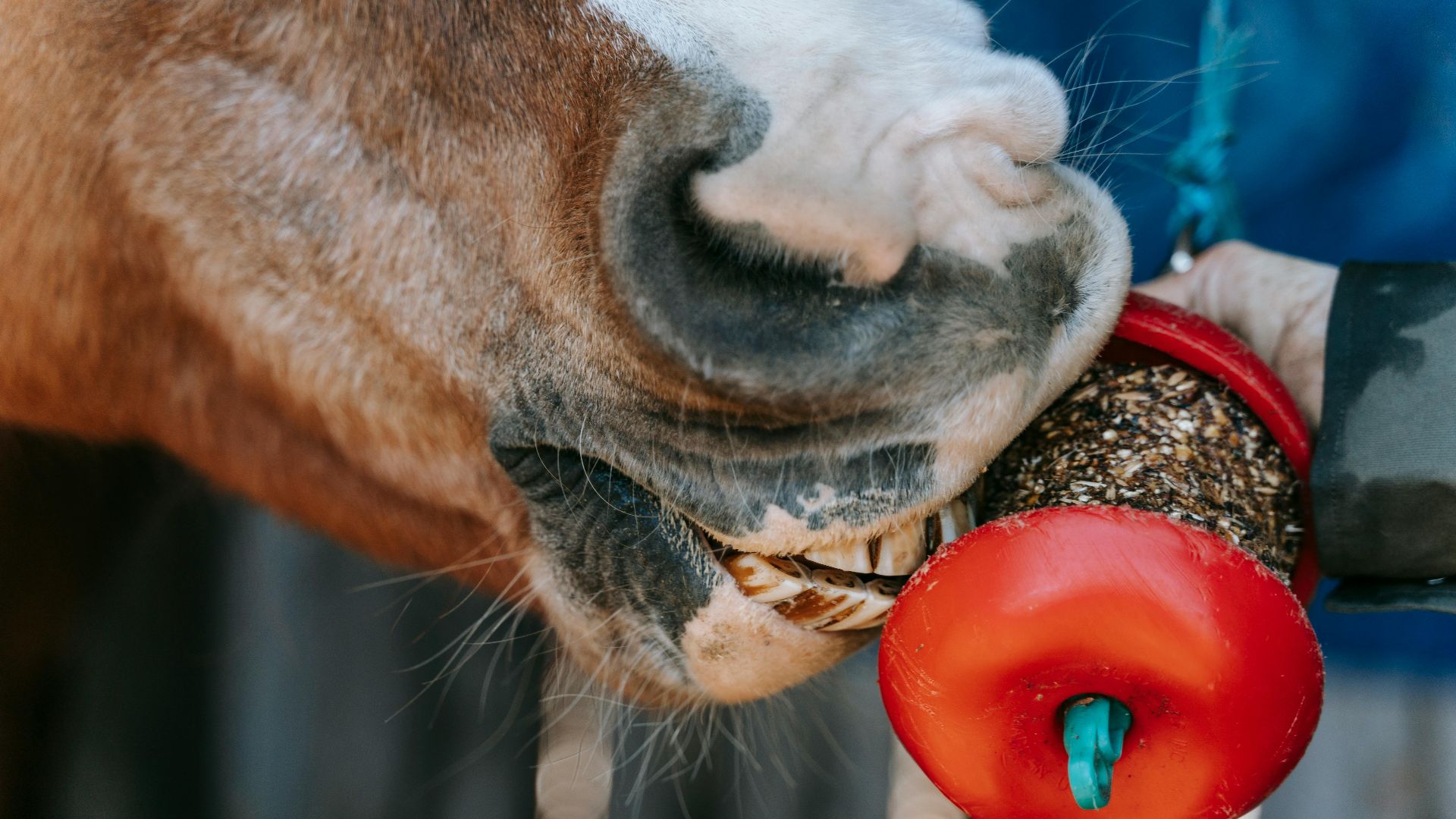
Regular dental check-ups are also important. So, schedule annual vet visits and keep their teeth strong. In between, watch for signs like dropping food or bad breath. Detecting dental problems early through routine care can protect teeth from decay and gum disease.
4. Safe and Clean Living Environment
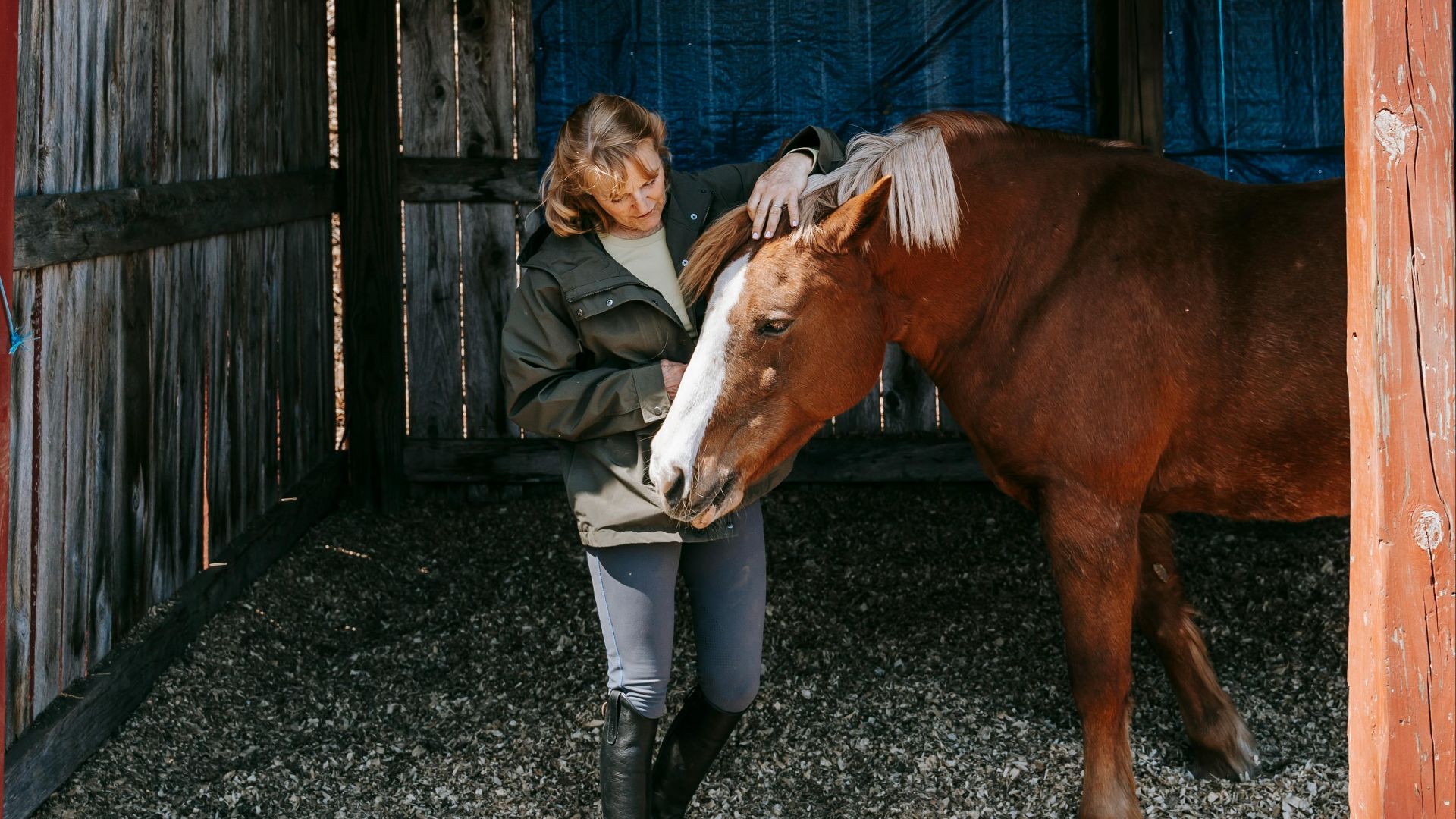
Frequent sweeping and waste removal are not that tough to manage. Do a quick once-over of the stall every day to remove waste and add fresh bedding. This will make your horse stay happy and healthy. Remember to dry off damp surfaces to avoid the spread of germs!
5. Exercise and Mental Stimulation
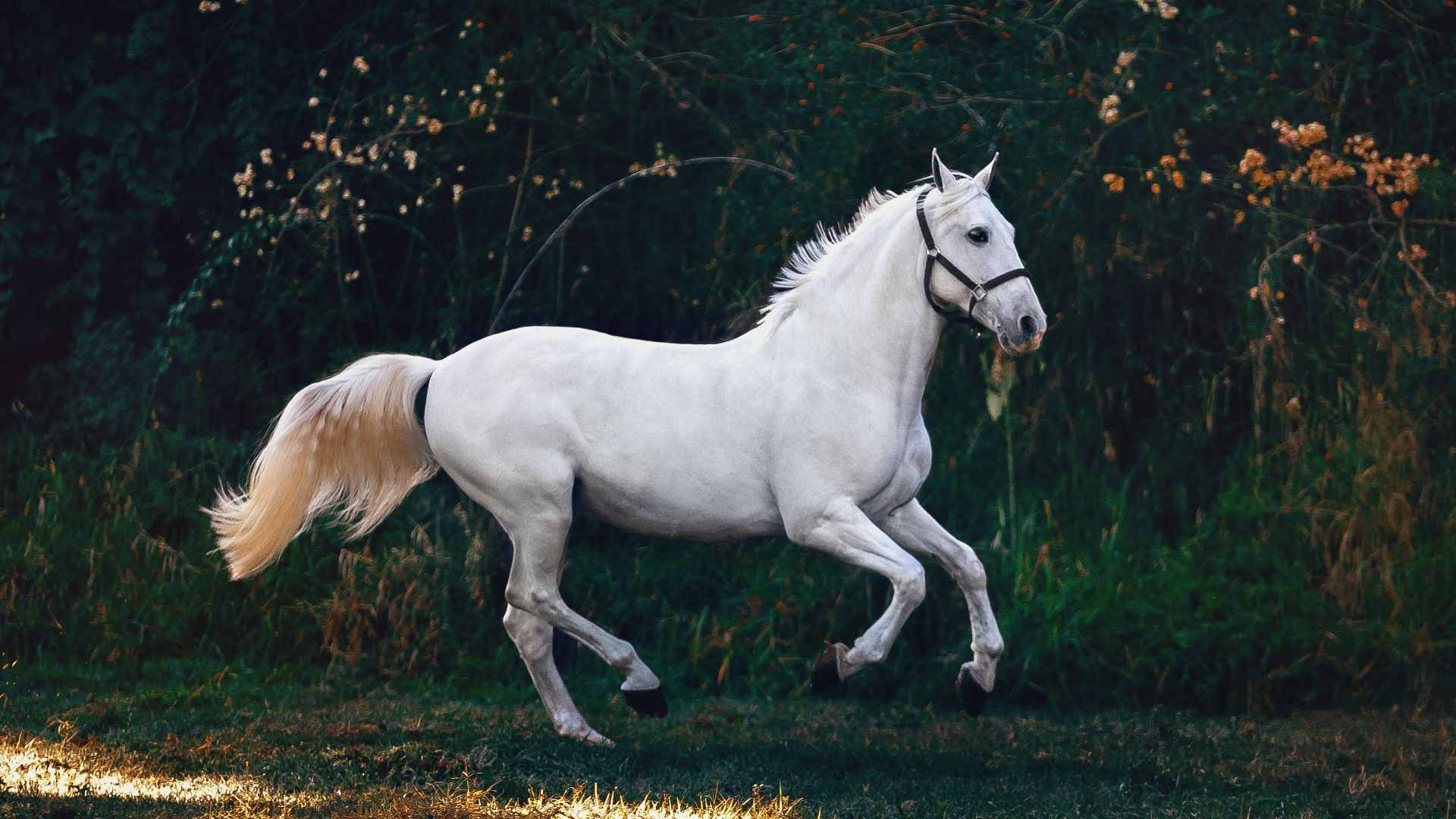
Exercise and mental stimulation have to be the easiest habit to adopt. You can simply free your horse and let it run around. Doing this for a couple of hours every day will do the trick. Plus, don’t forget to mix things up with new activities like obstacle courses or trail walks.
6. Consistent Grooming Routine
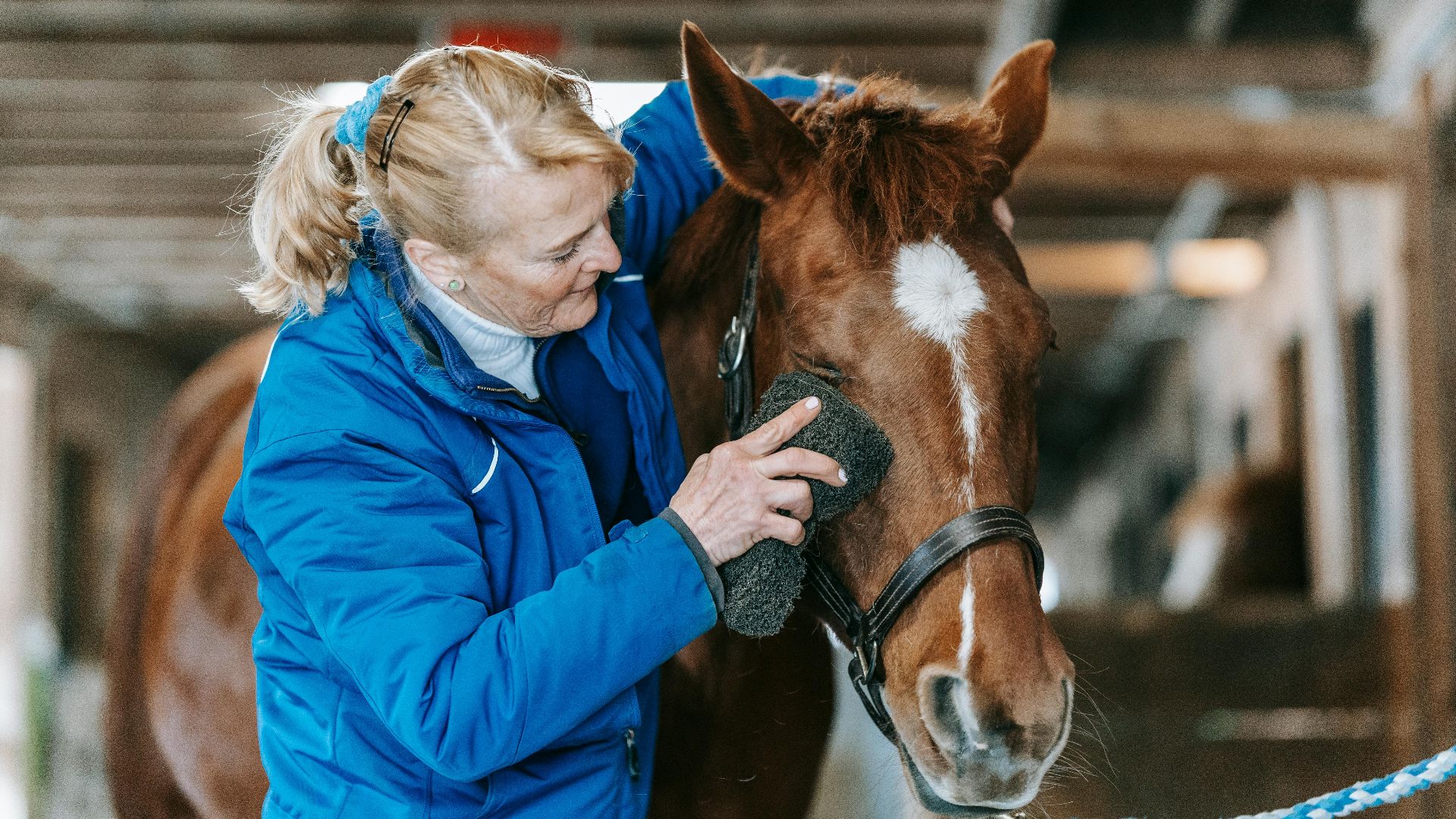
Grooming is more than a chance to bond with your horse; it's a vital part of their health care. While brushing, look for signs of skin issues, such as flaky patches or insect bites. Complete the care routine by using a hoof pick to clean their hooves and prevent thrush.
7. Fresh Water Supply at All Times
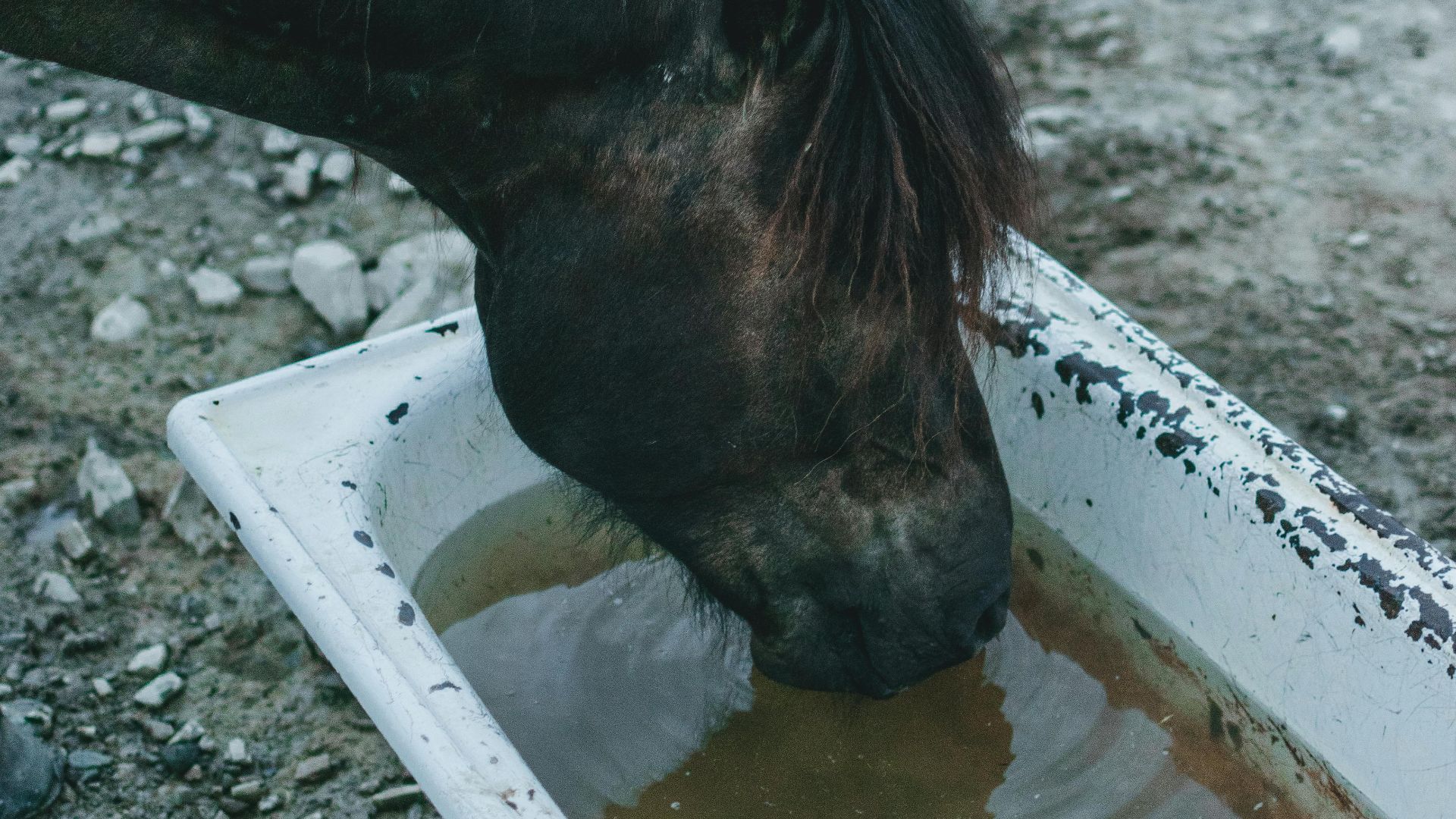
Horses require between 5 and 15 gallons of water a day, depending on their size, diet, and activity level. So, always give fresh, clean water and scrub the buckets and troughs regularly. When winter arrives, use heated water buckets or tank de-icers to prevent freezing.
8. Fly Control and Pest Management
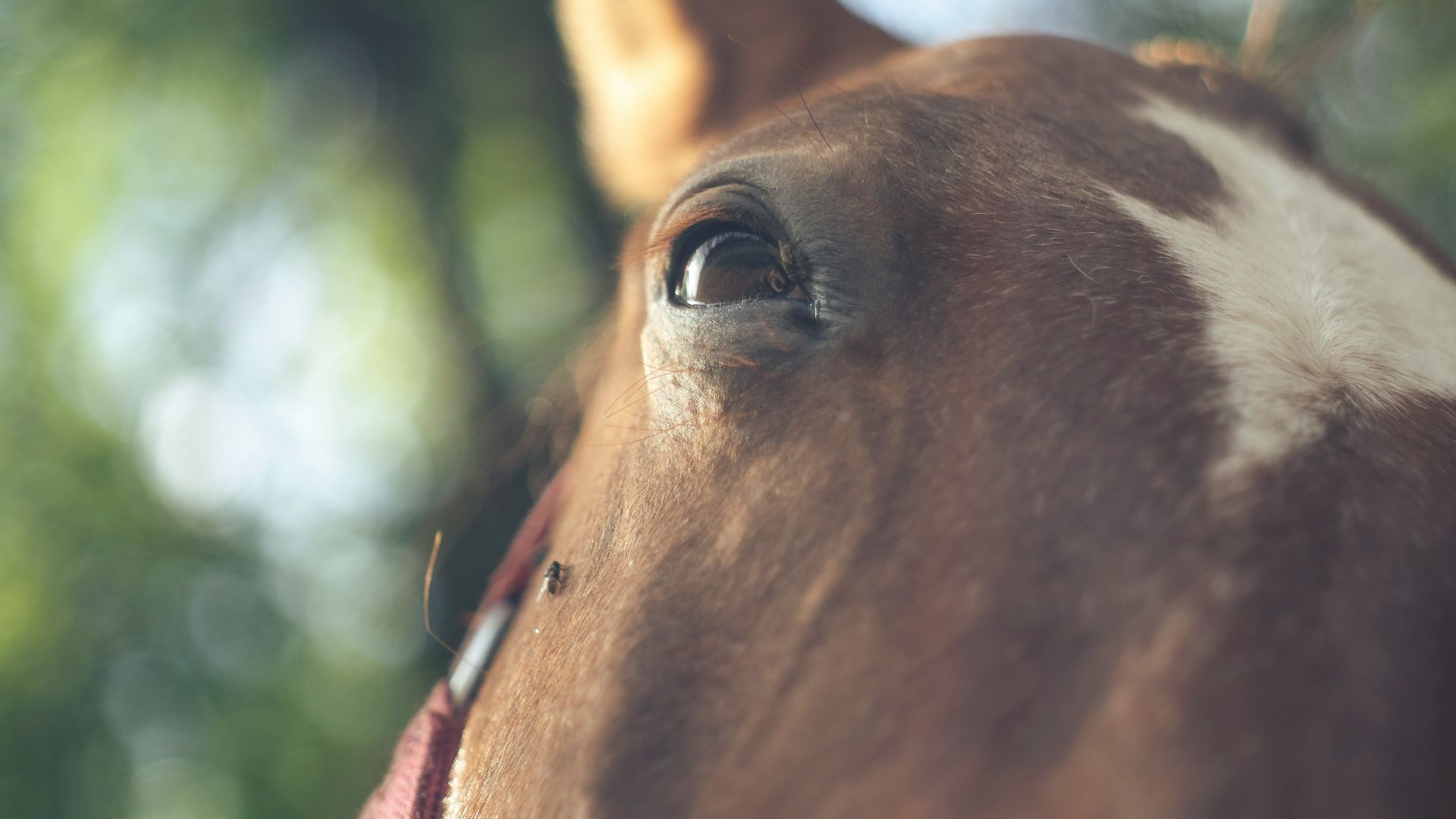
To keep pests at bay, consider installing fly traps or fans around the barn, as flies can spread diseases.
Alternatively, fly masks or sheets can be used to protect their face and body, and before turnout, you can apply vet-approved fly sprays or natural repellents.
9. Vaccinations and Parasite Control
Preventive care is one of the best ways to keep your horse fit. Schedule regular vaccinations and deworming sessions. They should be a part of your care plan to control internal parasites. Also, rotate dewormers and perform fecal egg counts so they don’t resist.
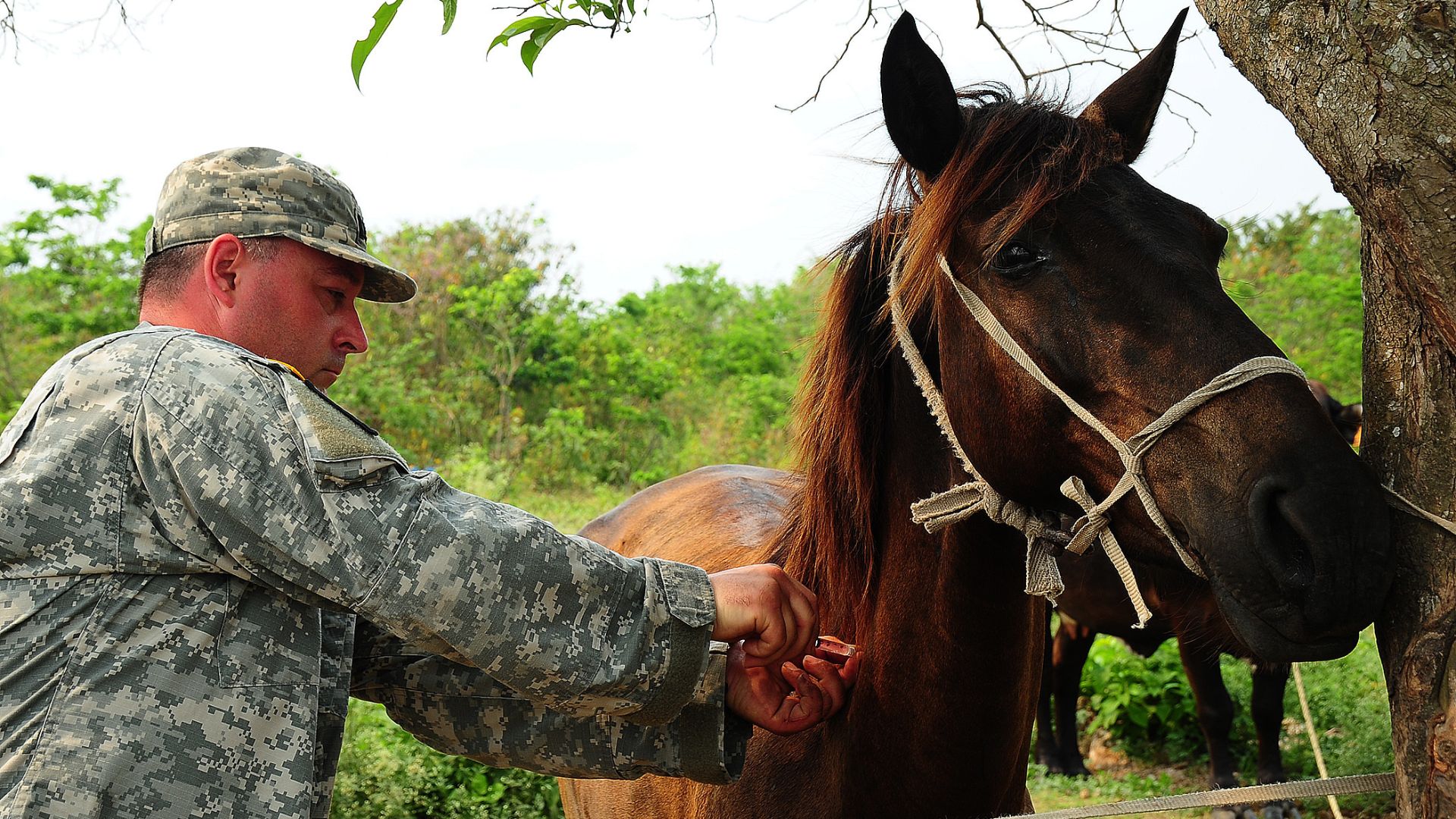 Tech. Sgt. Tony Tolley on Wikimedia
10. Watch for Signs of Illness
Horses are experts at hiding discomfort, so you need to carefully spot any signs of illness. It requires a keen eye and familiarity with their normal behavior. Look out for changes like reduced appetite, lethargy, odd posture, nasal discharge, coughing, or trouble breathing.