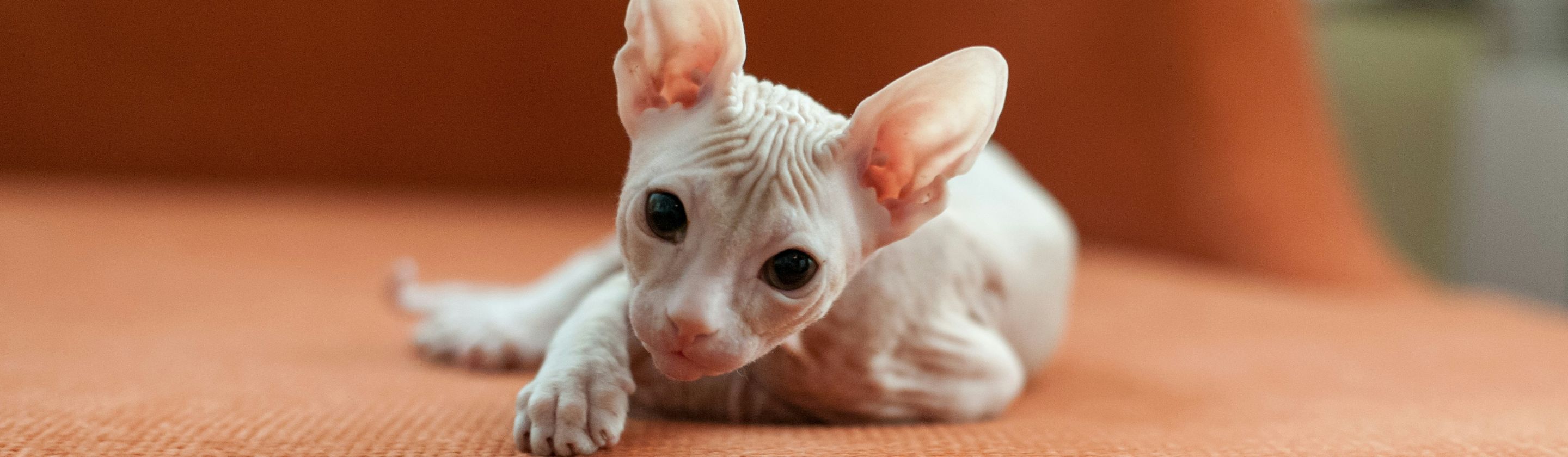
Purr-fectly Imperfect
Thinking of bringing a new cat home? Well, it's important to think about their needs and the environment you'll be providing. Some cat breeds may not be the best fit for you and your home—not because they’re bad but because they need special care or just aren’t suited for every living situation. Here are ten to watch out for and really take the time to consider if you know what you're getting yourself into.
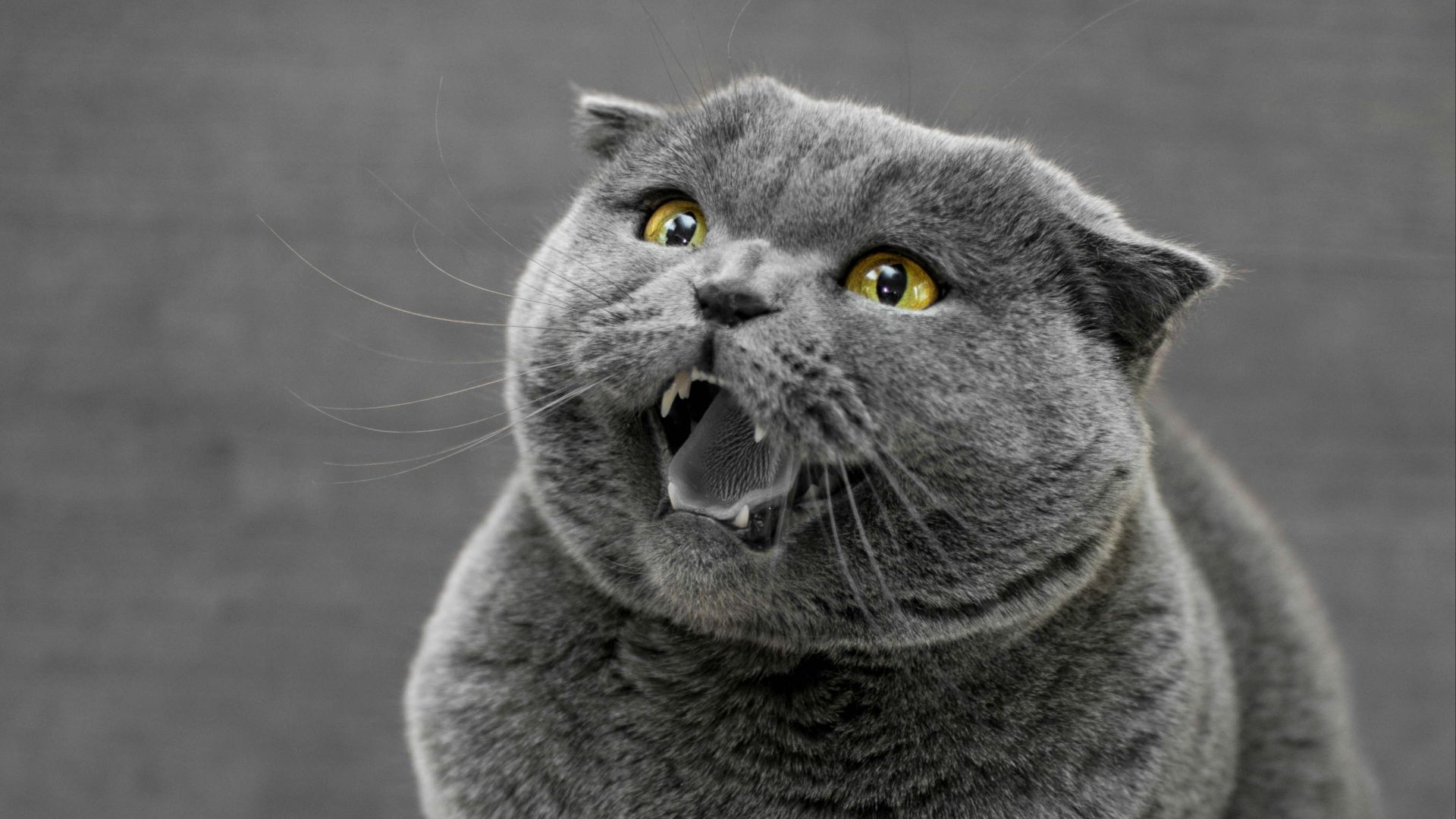
1. Maine Coon
Hailing from the cold, open expanses of New England, Maine Coons were built for a lot of space and activity. As a result, they need tons of room to roam. In smaller homes, Maine Coons can feel like they’re living in a cramped apartment despite your best efforts.
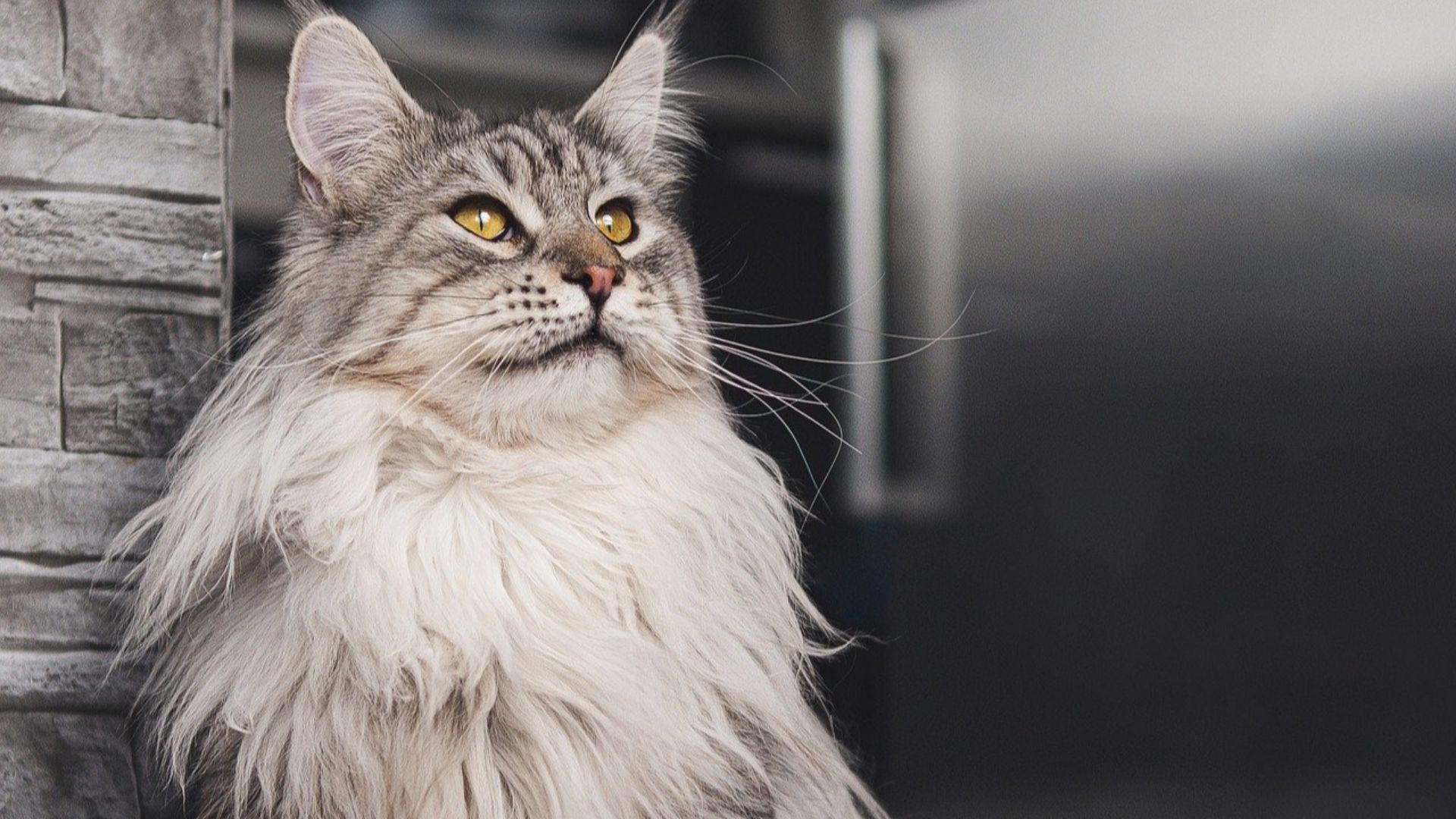
2. Sphynx Cats
Warmth and companionship define the Sphynx, but the trade-off is high maintenance. Being fur-less presents additional frequent skin cleaning and protection from the elements—a cat skincare routine. While they are incredibly affectionate, the endless demand for care and cuddles can overwhelm families juggling busy routines.
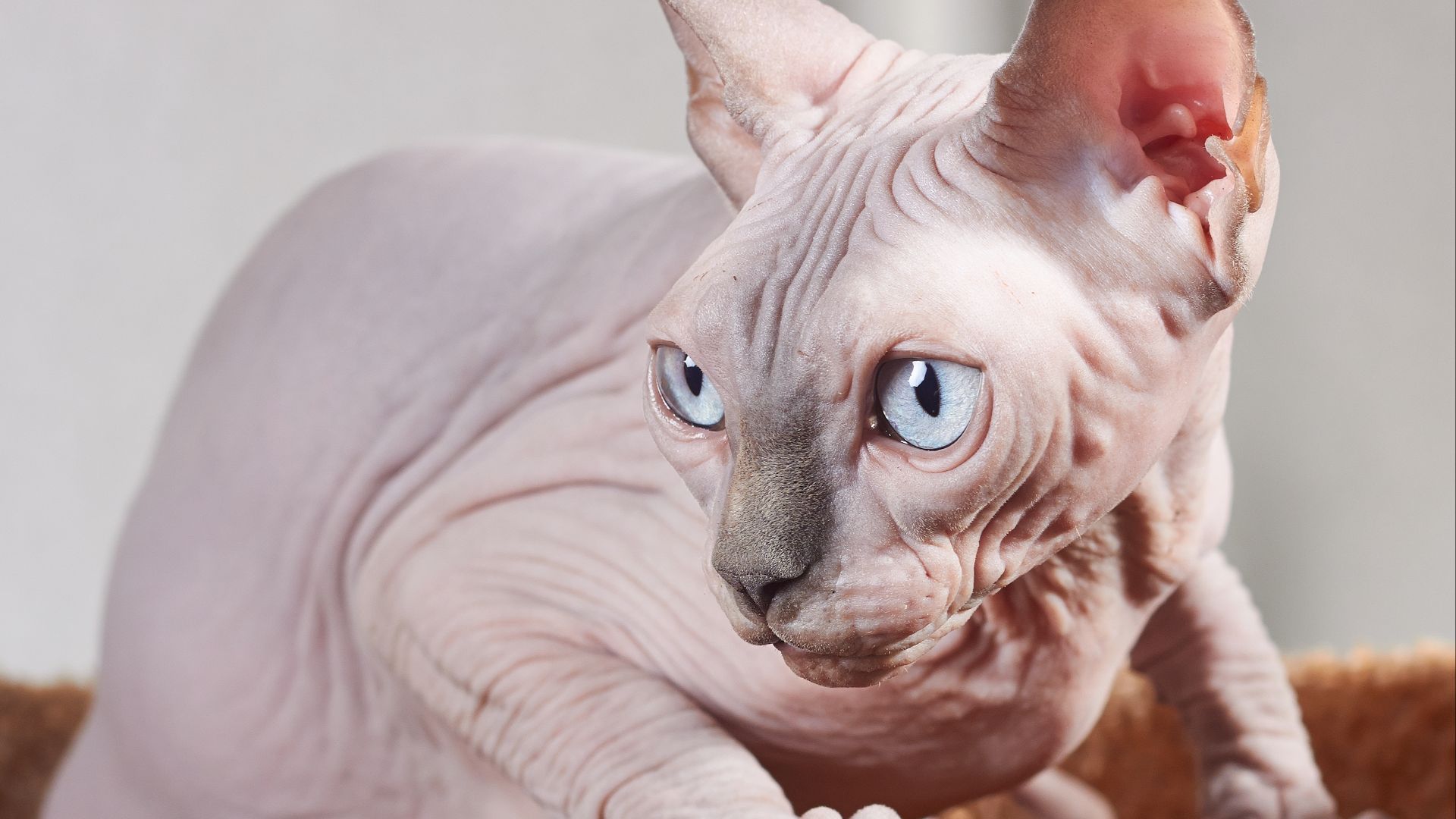
3. Ragdoll
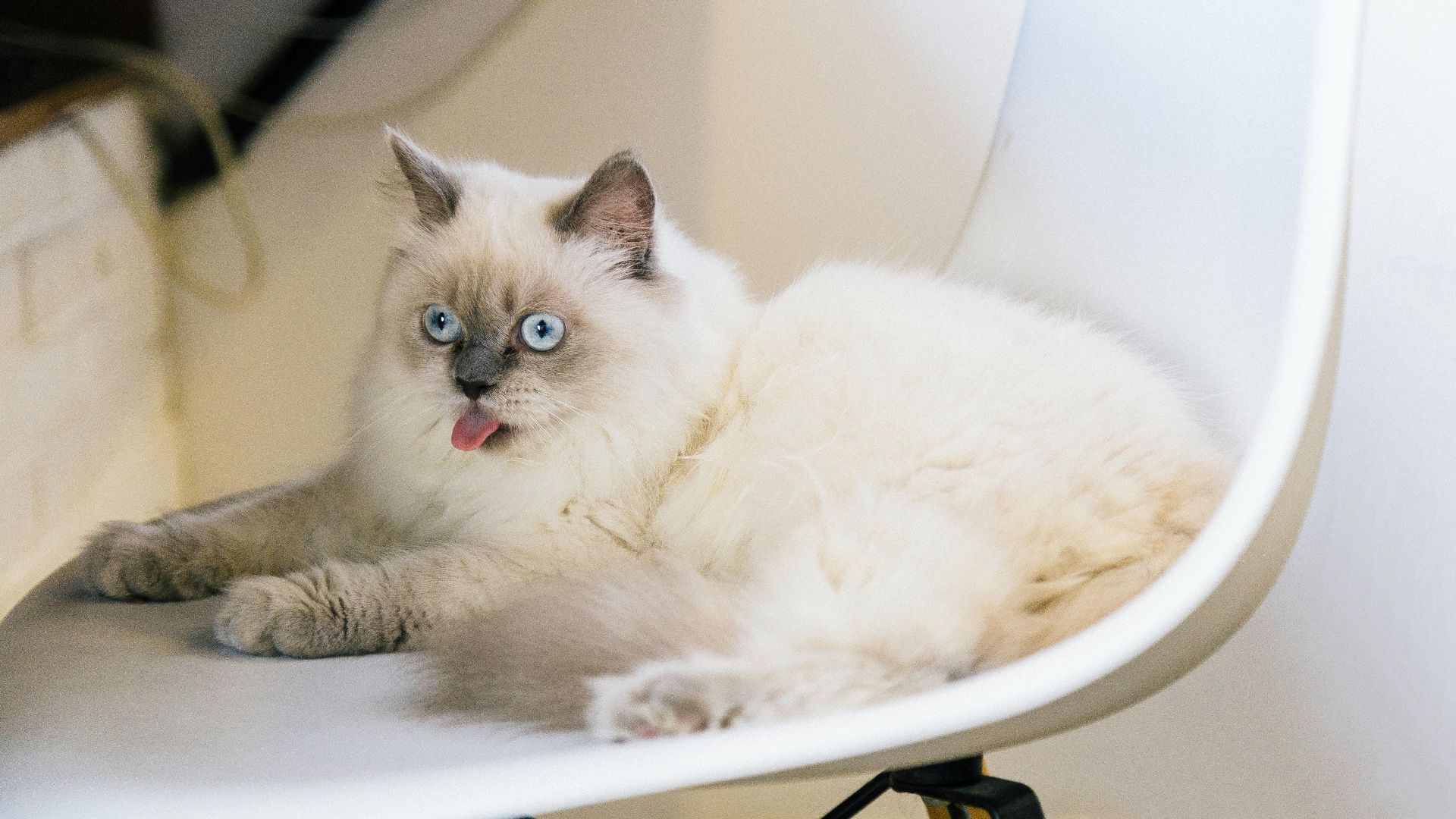
Imagine a cat that melts into your arms every time you pick it up—that’s a Ragdoll for you. However, this makes them incredibly dependent on their human companions. For homes that are frequently empty, a Ragdoll might feel lonely and become stressed.
4. Scottish Folds
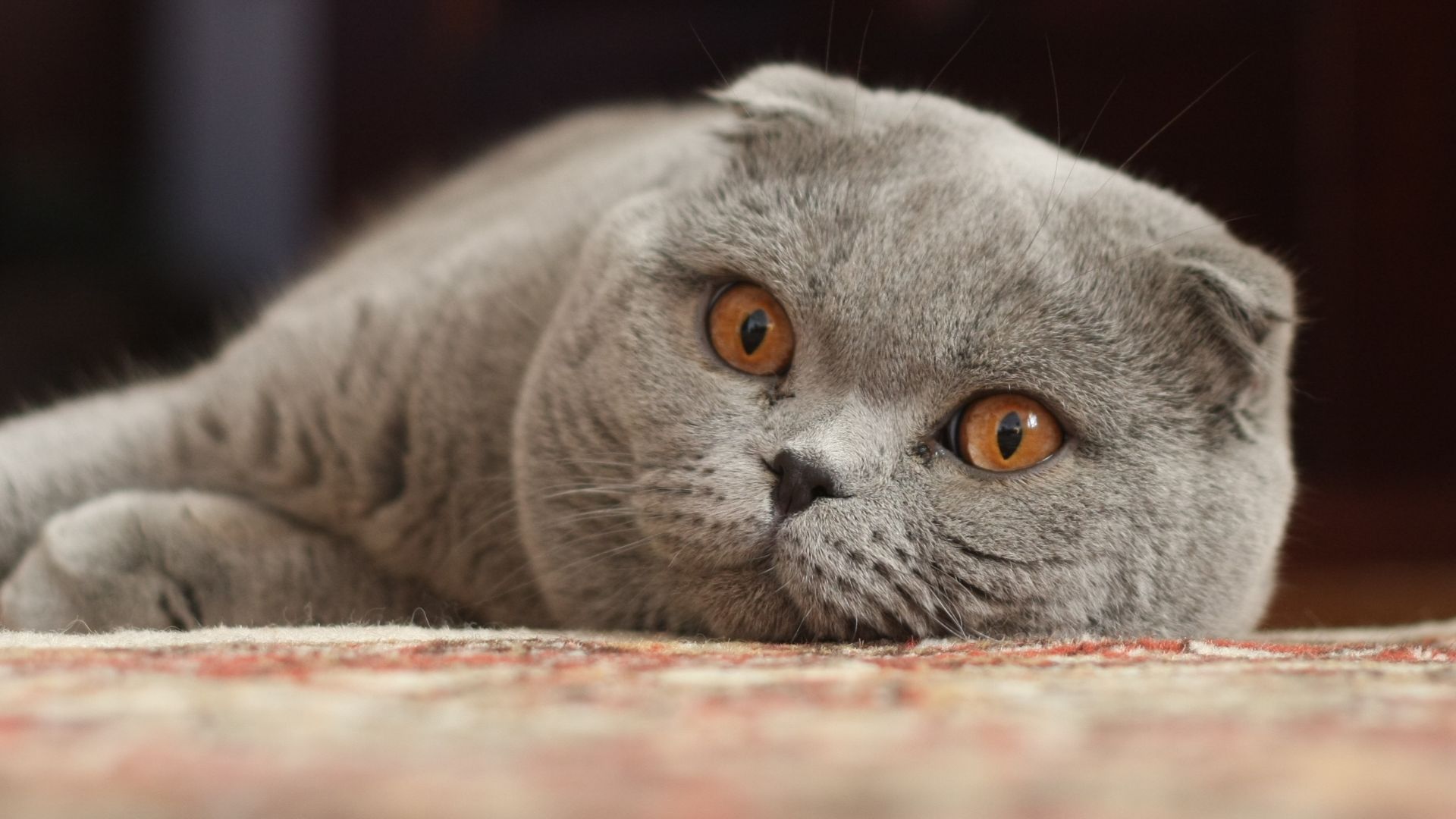
Those cute, folded ears may steal your heart, but the Scottish Folds are prone to joint issues, which require extra care. Besides, when a house is full of noise or activity, the stress might exacerbate their health problems, which means they do best in calm environments.
5. Bengal Cat
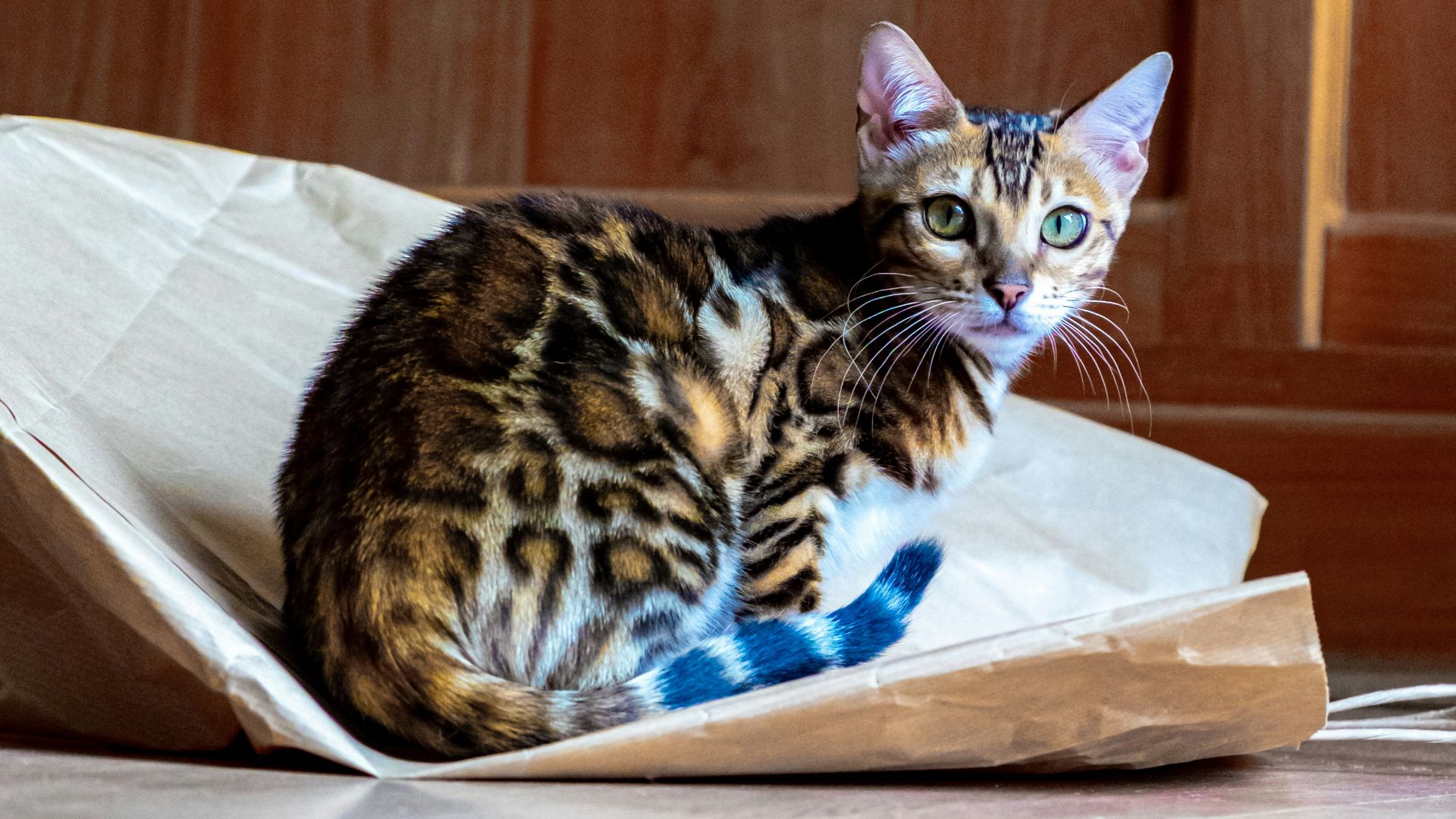
If you can’t keep up with their high-energy lifestyle, the Bengal cat might not be the best fit. With their striking, wild-like looks and boundless energy, they thrive in homes that match their pace. Plus, the Bengals are exceptionally smart and require a lot of mental engagement to remain content.
6. Persian Beauty
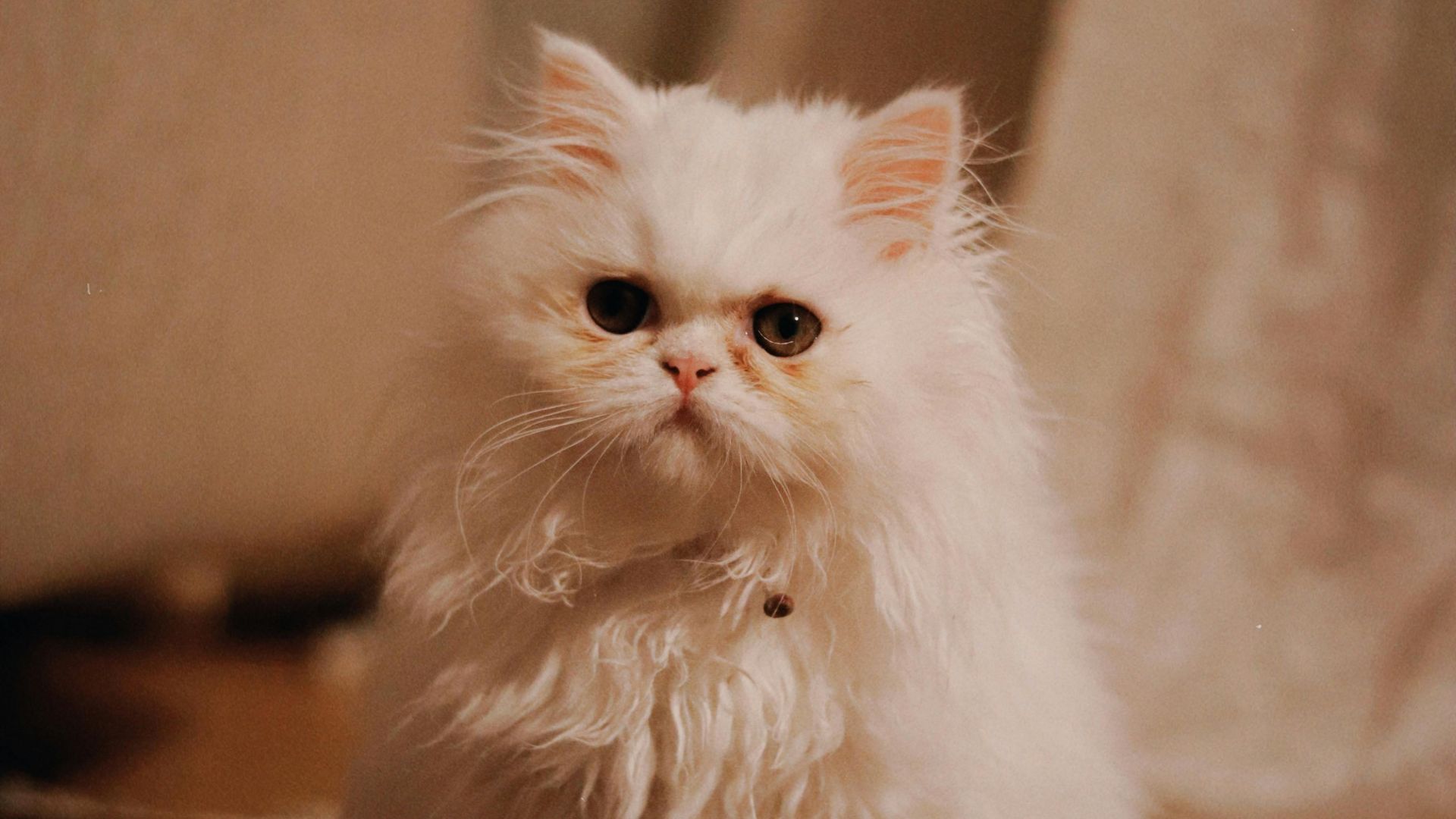
Persian cats are nothing short of stunning with their luxurious, long fur that’s a signature of the breed. But maintaining that beauty demands a commitment to daily grooming—it’s not something you can skip. Their flat faces can also lead to respiratory issues, especially in warmer climates.
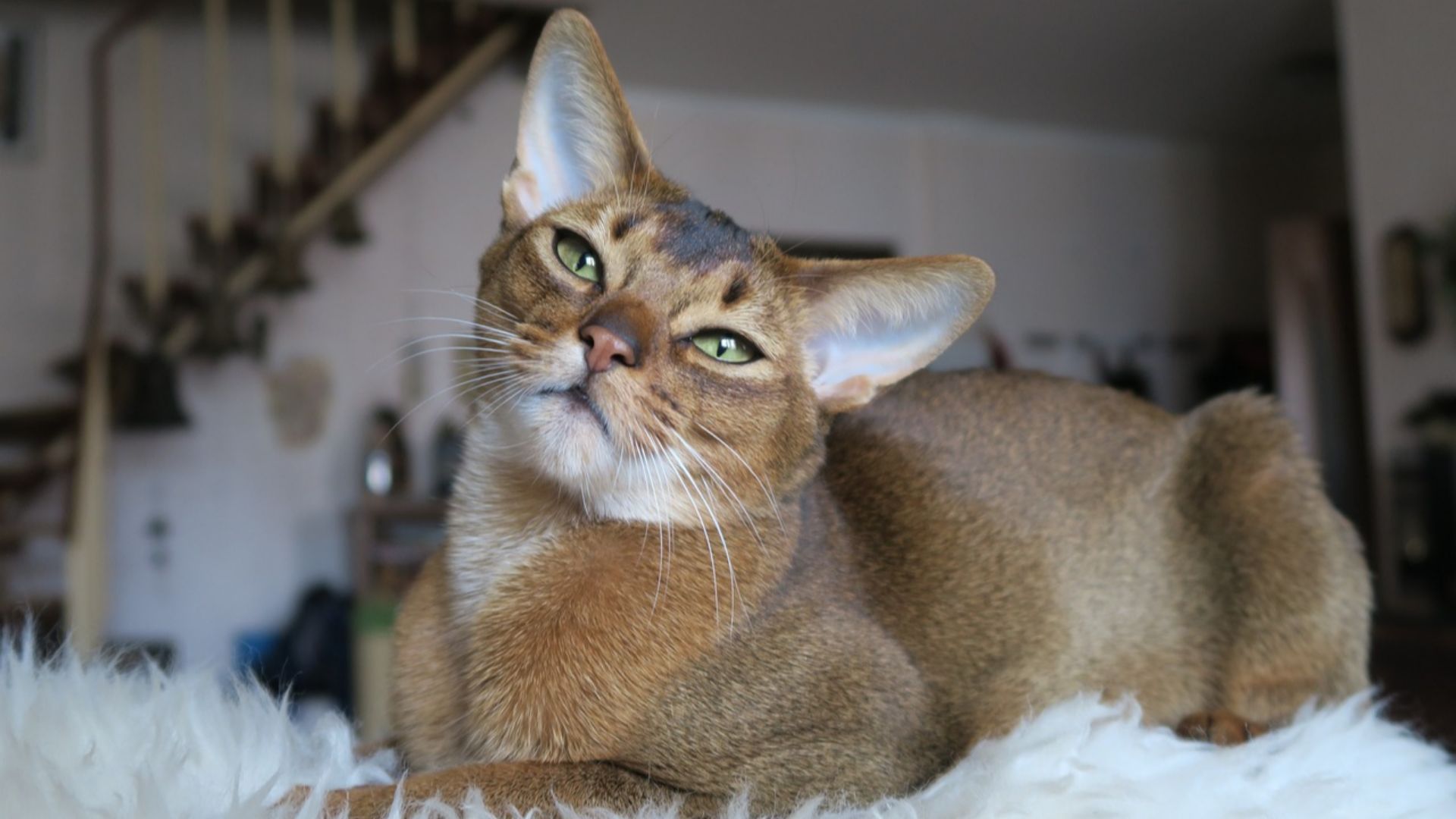
7. Abyssinian
The constant desire to investigate means Abyssinians need a lot of physical and mental stimulation. This cat can only live happily in homes where they can climb, jump, and play to their heart’s content. So, if you have a small or delicate space? Spare this one.
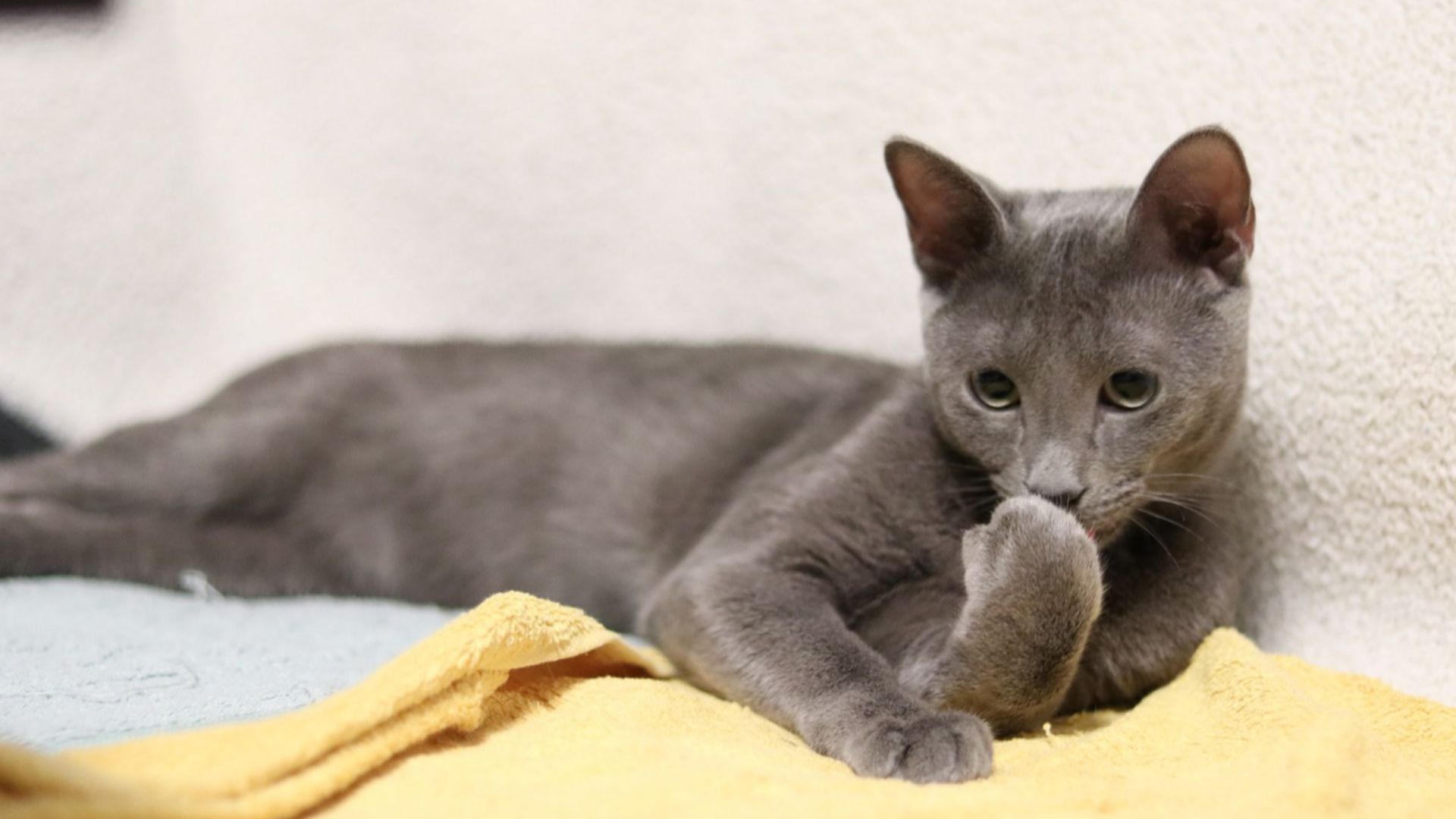
8. Russian Blue
The Russian Blue cat knows what it likes: peace and quiet. The cat doesn’t do well with constant changes and forms strong bonds with their owners. A house filled with guests or noise might cause your Russian Blue to withdraw, which isn't healthy for anyone.
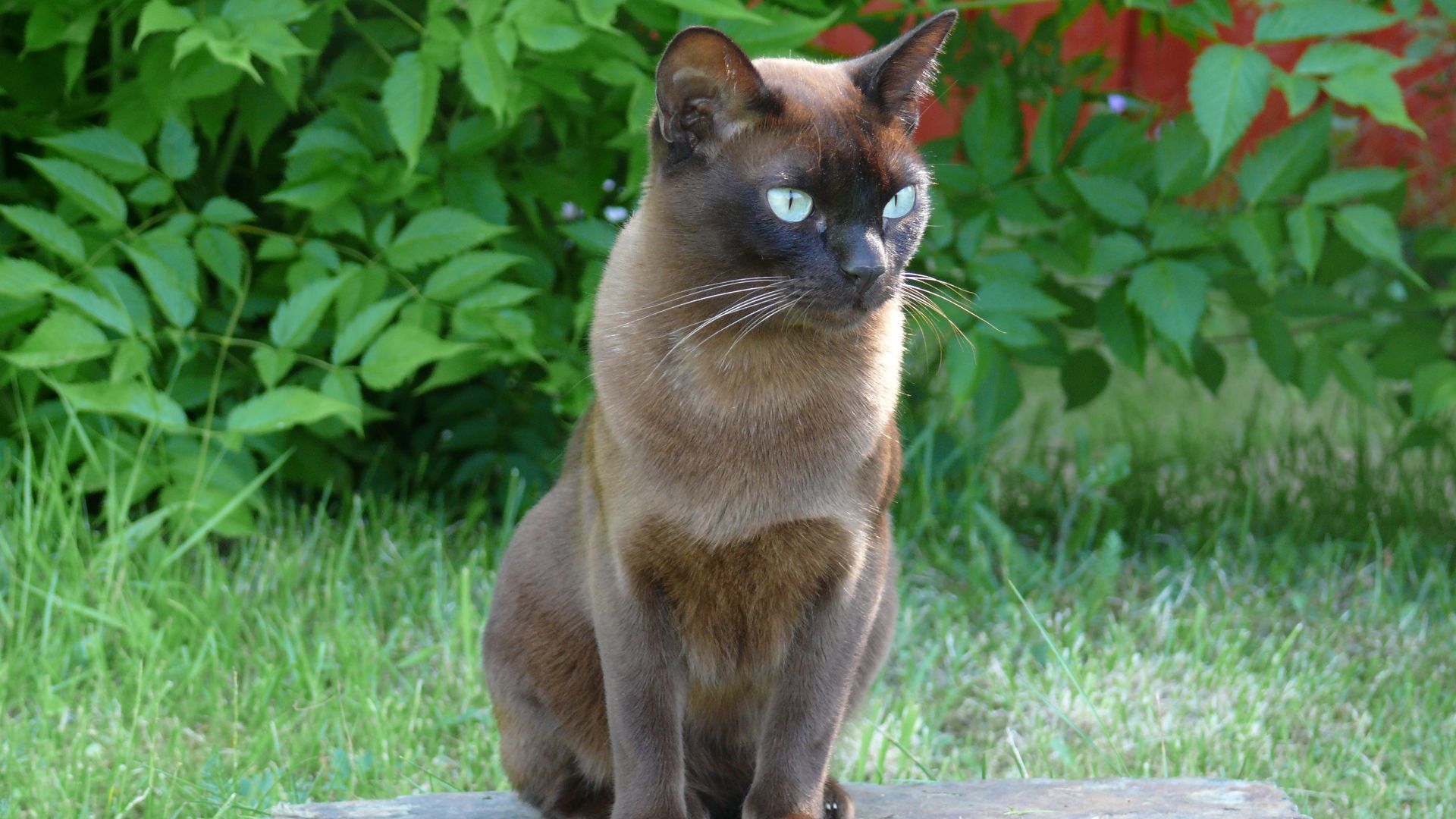
9. Burmese Cats
For Burmese cats, love is a two-way street—they’ll shower you with affection but expect plenty in return. Their constant need for attention and company might not suit someone who’s frequently out or needs a more independent pet.
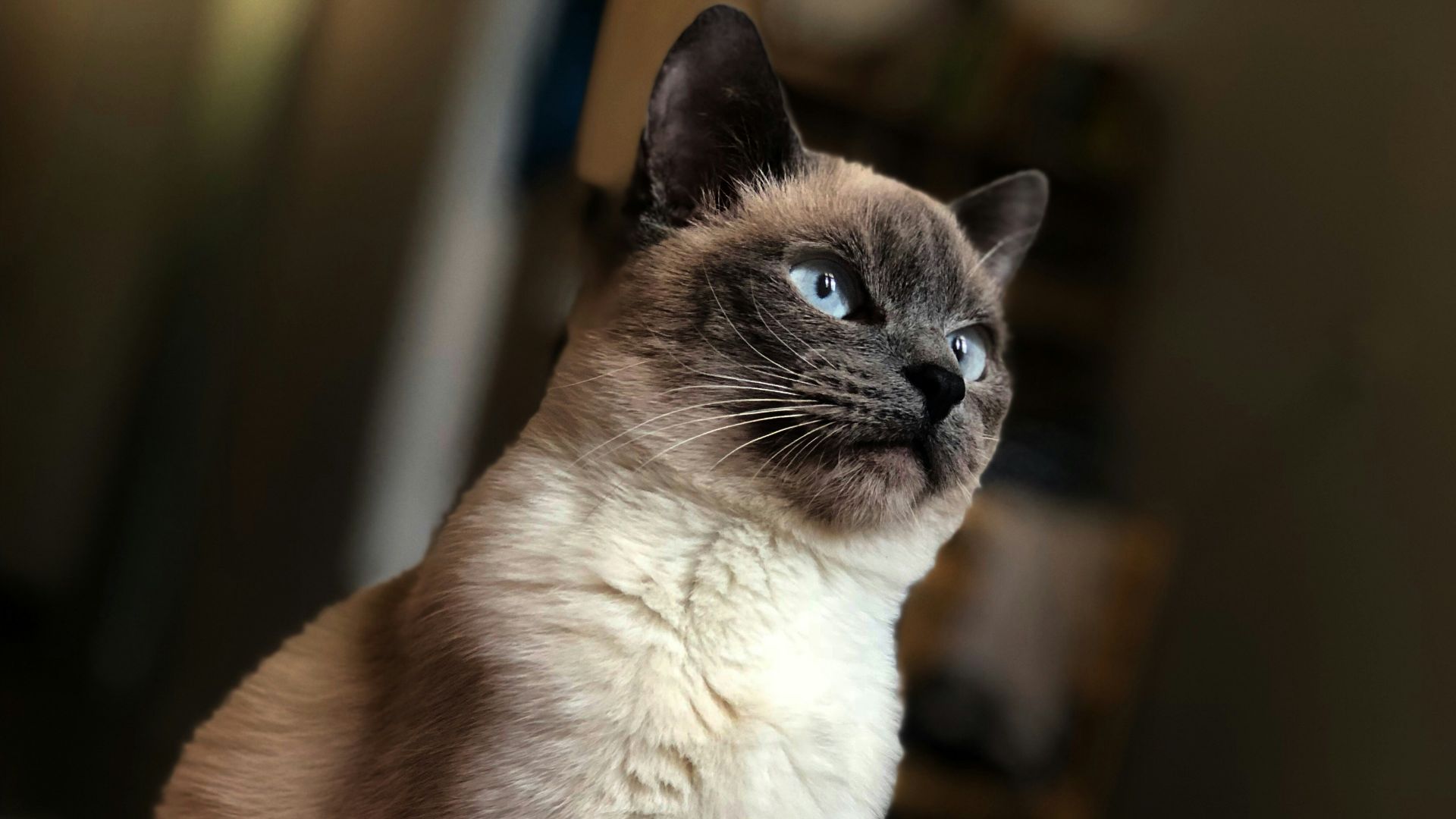
10. Siamese
Siamese cats are known for their talkative and social nature, making sure their needs are heard loud and clear. While their chatter can be endearing, it might be too much for some. These vocal felines thrive in homes where they get plenty of attention and stimulation.